
Mastering Aerodynamics at Dr MGR Aviation Academy
At Dr MGR Aviation Academy, we believe that a thorough understanding of aircraft systems is the bedrock of a successful aviation career. Whether you are training to become a commercial pilot, an aeronautical engineer, or an airport operations manager, mastering the physics of flight is non-negotiable. Recently, our official Instagram shared an insightful breakdown of a fundamental aircraft component: the aircraft flap. Understanding how flaps modify lift and drag is essential for anyone passionate about aviation and safe flight operations.
The Crucial Role of Flaps in Takeoff and Landing
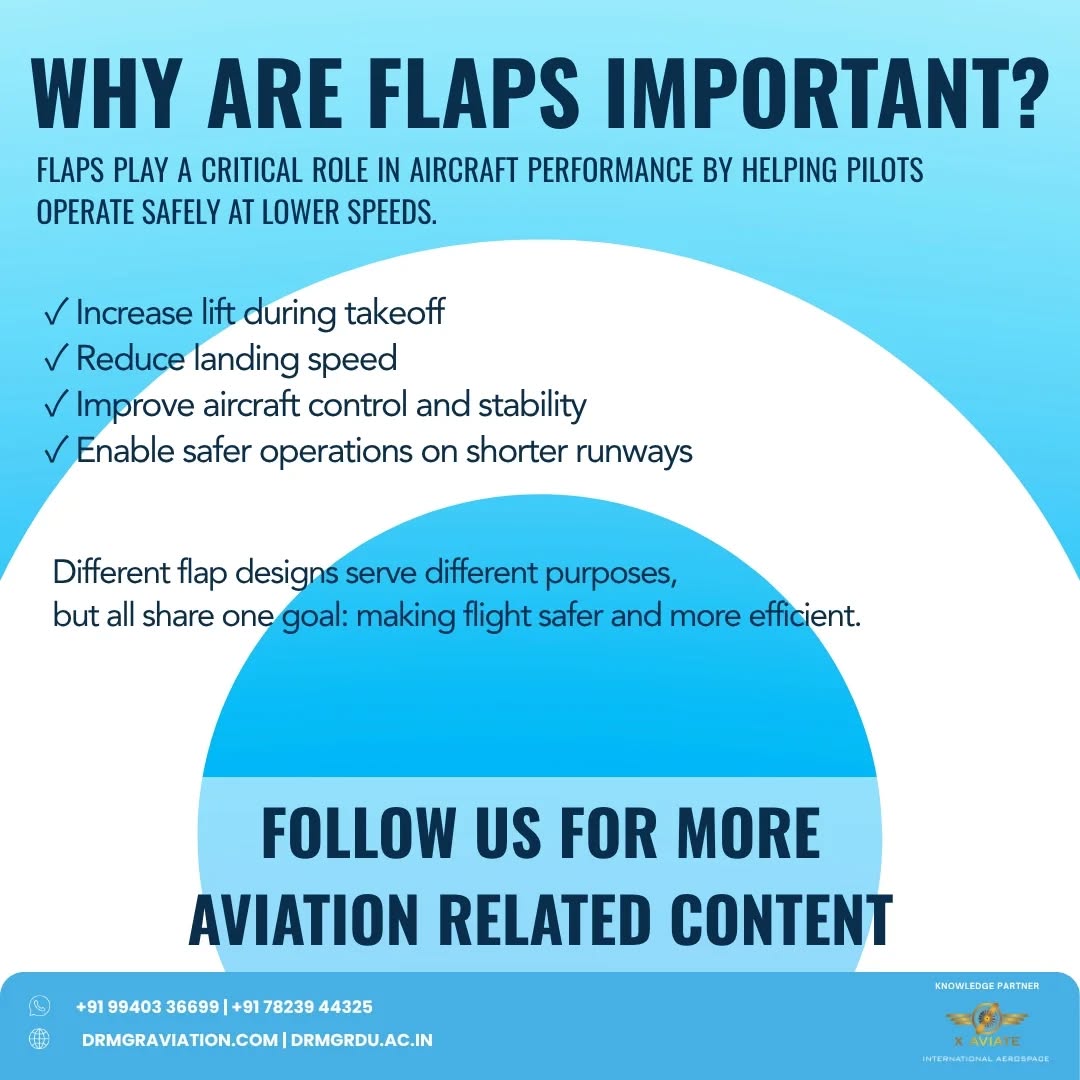
Aircraft flaps are high-lift devices mounted on the trailing edges of the wings of a fixed-wing aircraft. During critical phases of flight—specifically takeoff and landing—an aircraft needs to generate sufficient lift at slower speeds. Without flaps, the runway length required for safe operations would be significantly longer, and stalling speeds would be dangerously high.
When extended, flaps increase both the camber (curvature) and the surface area of the wing. This modification allows the aircraft to generate the required lift at a much lower airspeed. During landing, extended flaps also act as air brakes, increasing aerodynamic drag to help the pilot steepen the descent angle without gaining excessive speed. Conversely, during takeoff, partial flap settings provide the extra lift needed to clear obstacles and get airborne safely from shorter runways.
Exploring Different Types of Aircraft Flaps
Not all flaps are created equal. Different aircraft designs utilize various flap configurations to optimize performance according to their specific mission profiles. As highlighted in our latest academic updates, aspiring aviation professionals should be familiar with the primary types of flaps:
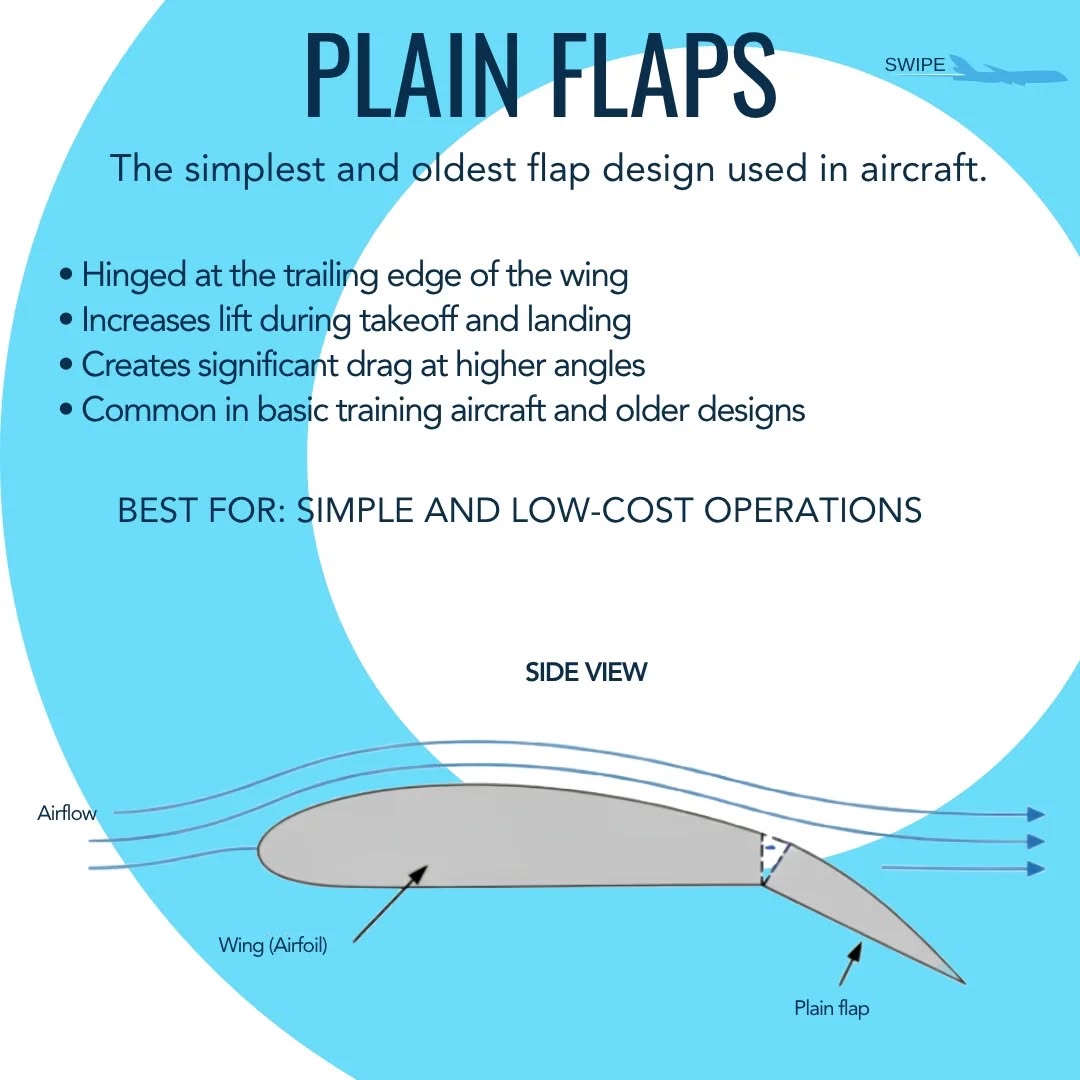
- Plain Flaps: The simplest design, consisting of a hinged portion of the trailing edge that rotates downward to increase camber and lift.
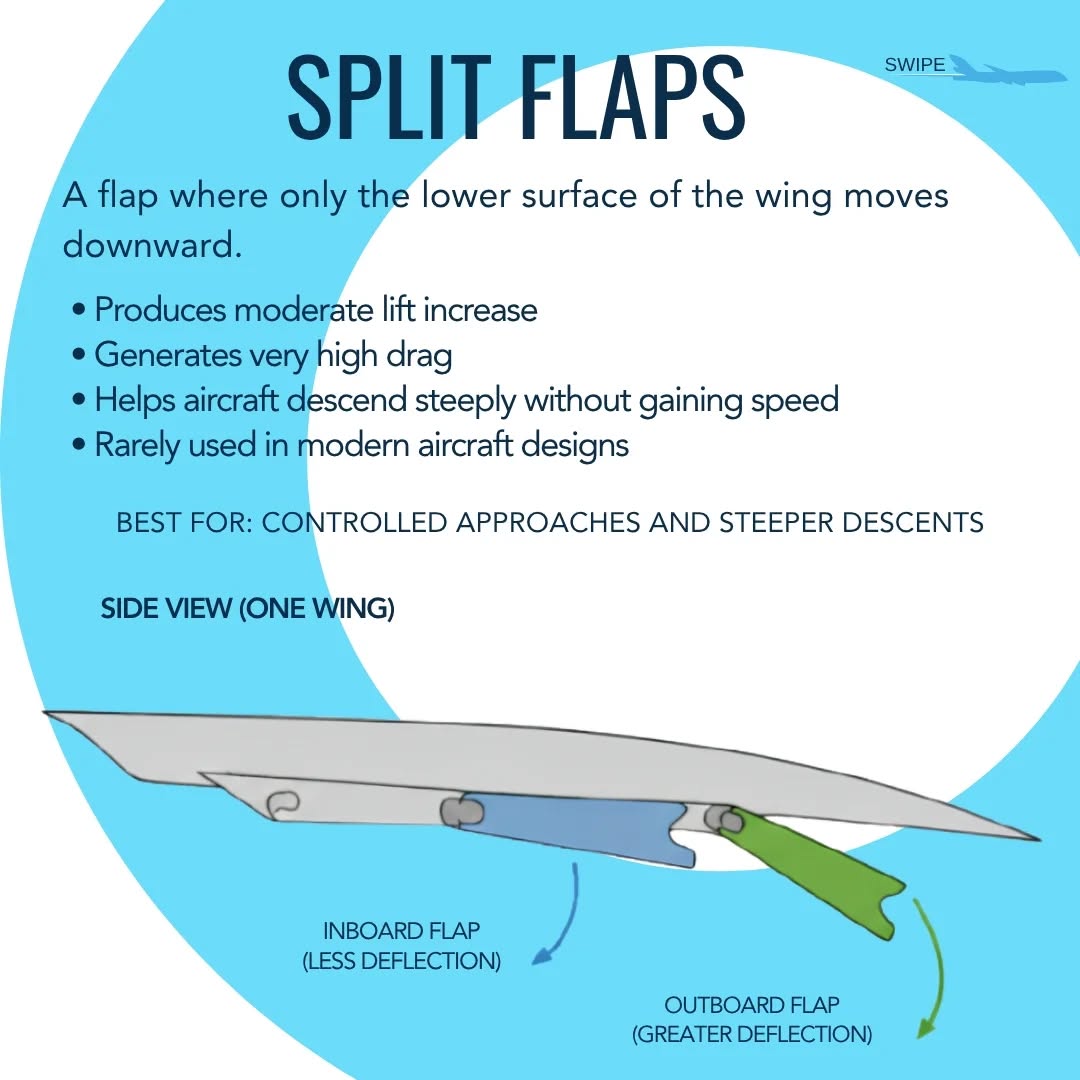
- Split Flaps: Only the lower surface of the wing drops down, creating high drag alongside lift, which is particularly effective for older or smaller aircraft during landing approaches.
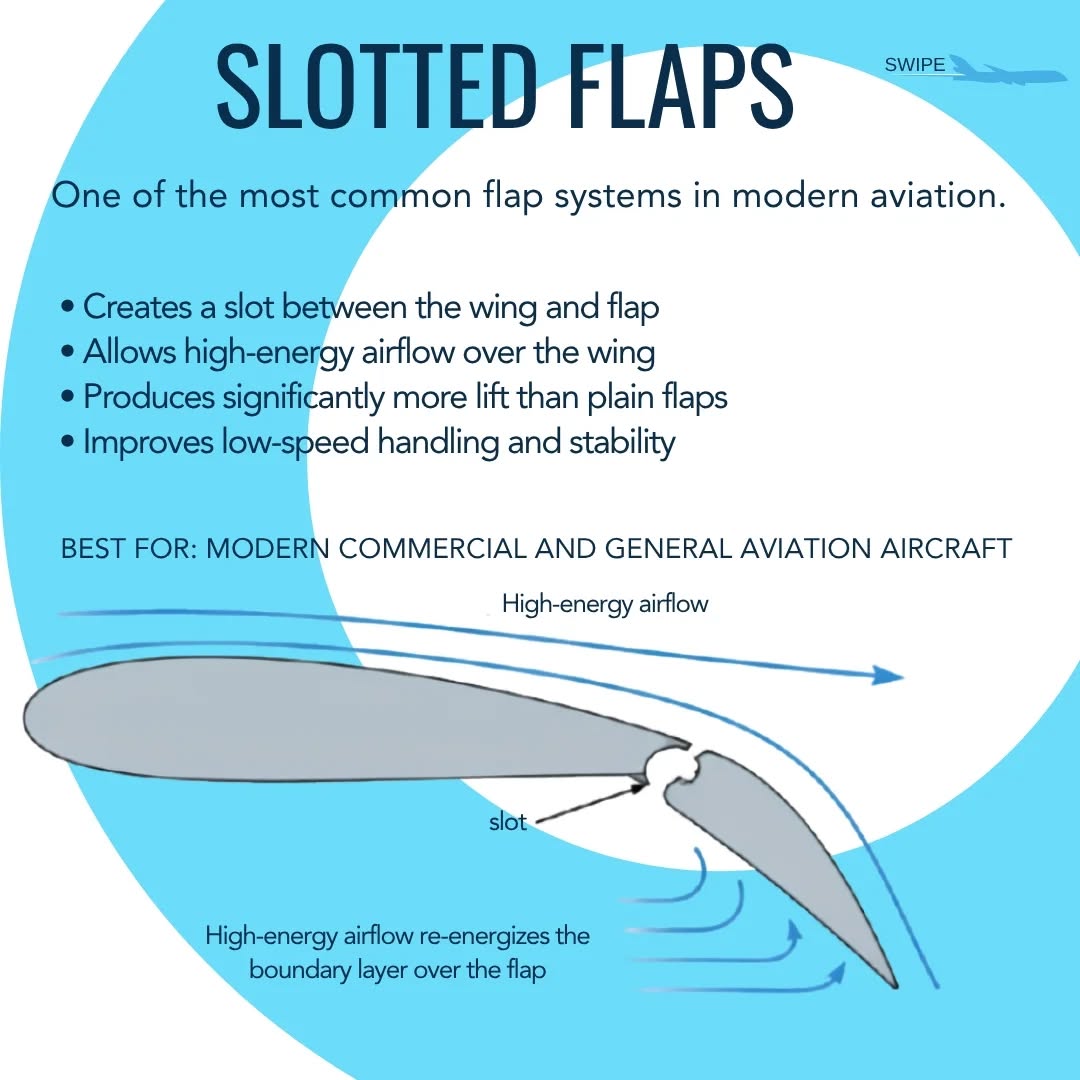
- Slotted Flaps: Featuring a gap between the flap and the wing when lowered, these allow high-pressure air from beneath the wing to flow to the upper surface, delaying boundary layer separation and maintaining lift at higher angles of attack.
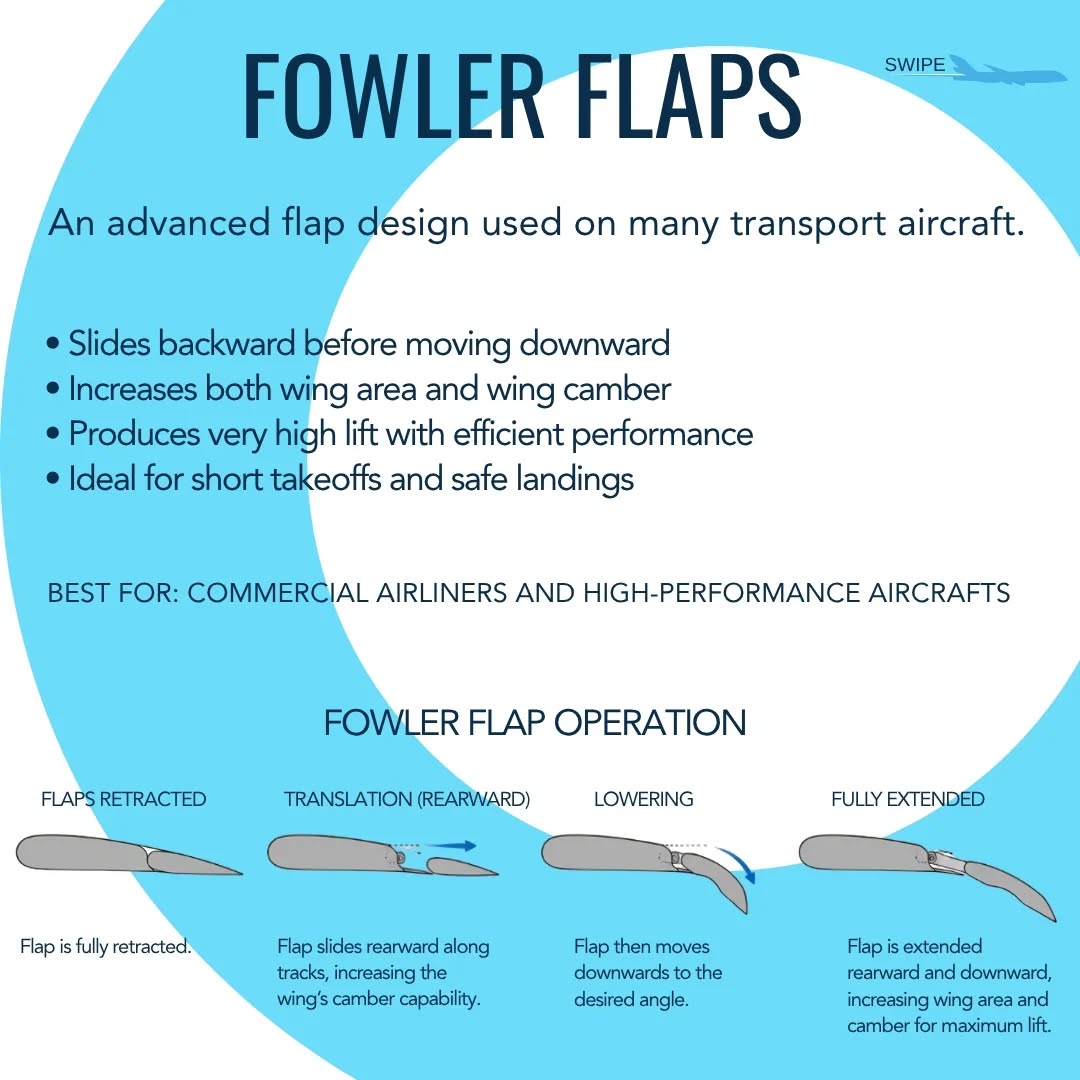
- Fowler Flaps: Highly efficient mechanisms that slide backward as they tilt downward, significantly increasing both wing area and camber to maximize lift generation.
Why Practical Aerodynamics Matter for Aviation Students
For students enrolled in pilot training and aviation management courses at Dr MGR Aviation Academy, theoretical knowledge must seamlessly translate into operational competence. Knowing how to calculate flap settings, understanding performance charts, and recognizing the aerodynamic consequences of flap failure are critical competencies for the aviation industry.
Aviation is an exacting discipline where small details dictate large outcomes. By studying aerodynamic components like flaps, our students build the analytical mindset required to handle complex flight scenarios safely and efficiently.
Take the Next Step in Your Aviation Career
Are you ready to turn your passion for aviation into a rewarding professional career? Dr MGR Aviation Academy in Chennai offers premier aviation training and management courses designed to meet global industry standards. From rigorous ground school preparation to comprehensive operational management studies, we provide the education and mentorship you need to succeed.
Learn. Explore. Fly Higher with Dr MGR Aviation Academy. Contact our admissions team today at +91 99403 36699 or +91 78239 44325, or visit our official website at drmgraviation.com to discover our upcoming course intakes.
Frequently Asked Questions
What is the primary function of aircraft flaps?
Aircraft flaps are used to increase lift and drag, allowing the aircraft to fly safely at lower speeds during takeoff and landing phases.
What are Fowler flaps?
Fowler flaps are advanced high-lift devices that slide backward and tilt downward, effectively increasing both the surface area and camber of the wing to maximize lift.
Why are slotted flaps effective?
Slotted flaps create a gap that allows high-pressure air from beneath the wing to flow to the upper surface, preventing airflow separation and maintaining lift at high angles of attack.
How can I join Dr MGR Aviation Academy?
You can enroll in our aviation training and management courses by contacting us directly at +91 99403 36699 or +91 78239 44325, or by visiting drmgraviation.com.