
Understanding Aircraft Weight and Balance: A Core Pillar of Aviation Safety
An aircraft can be thoroughly inspected, mechanically sound, and completely airworthy, yet still become dangerously unstable if its weight and balance parameters are ignored. At Dr MGR Aviation Academy in Chennai, our curriculum emphasizes that precision in aviation extends far beyond the cockpit controls. Weight and Balance calculations form the bedrock of safe flight operations, dictating everything from takeoff performance to in-flight stability.
As recently highlighted on our official channels, understanding the Centre of Gravity (CG) is not merely an academic exercise for aspiring pilots and aviation management professionals—it is a critical discipline that keeps every flight stable, controllable, and secure. A shift of just a few inches can completely alter an aircraft’s flight characteristics, proving that exact measurements matter in aviation.
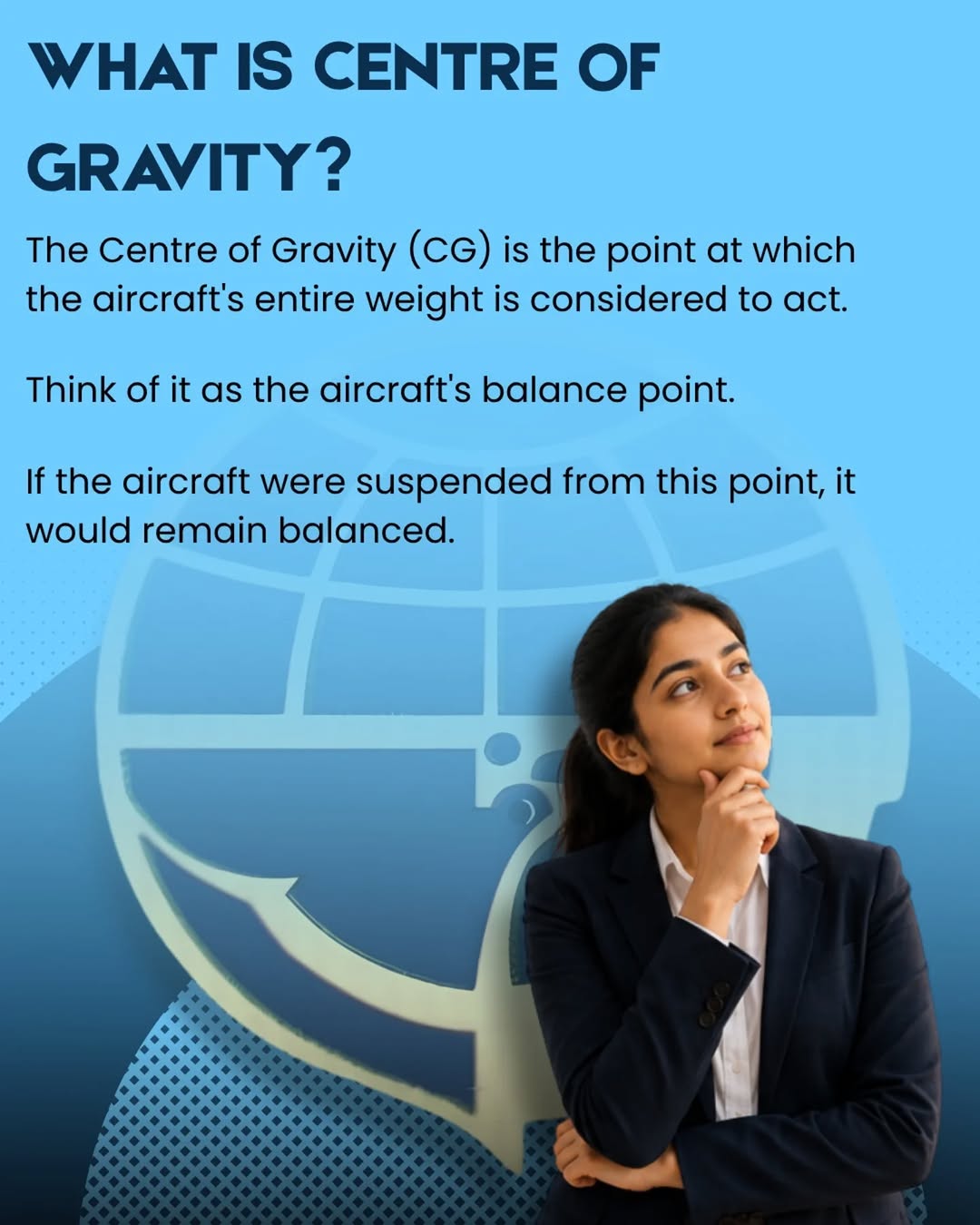
What is the Centre of Gravity (CG)?
The Centre of Gravity is the specific point at which an aircraft’s entire weight is considered to be concentrated. For the aircraft to maintain balance in all three axes, the CG must fall within predetermined forward and aft limits established by the manufacturer. If the CG moves outside these legal boundaries, the pilot may struggle to maintain control, particularly during critical phases of flight such as takeoff, landing, and stalls.
The Significance of the Reference Datum
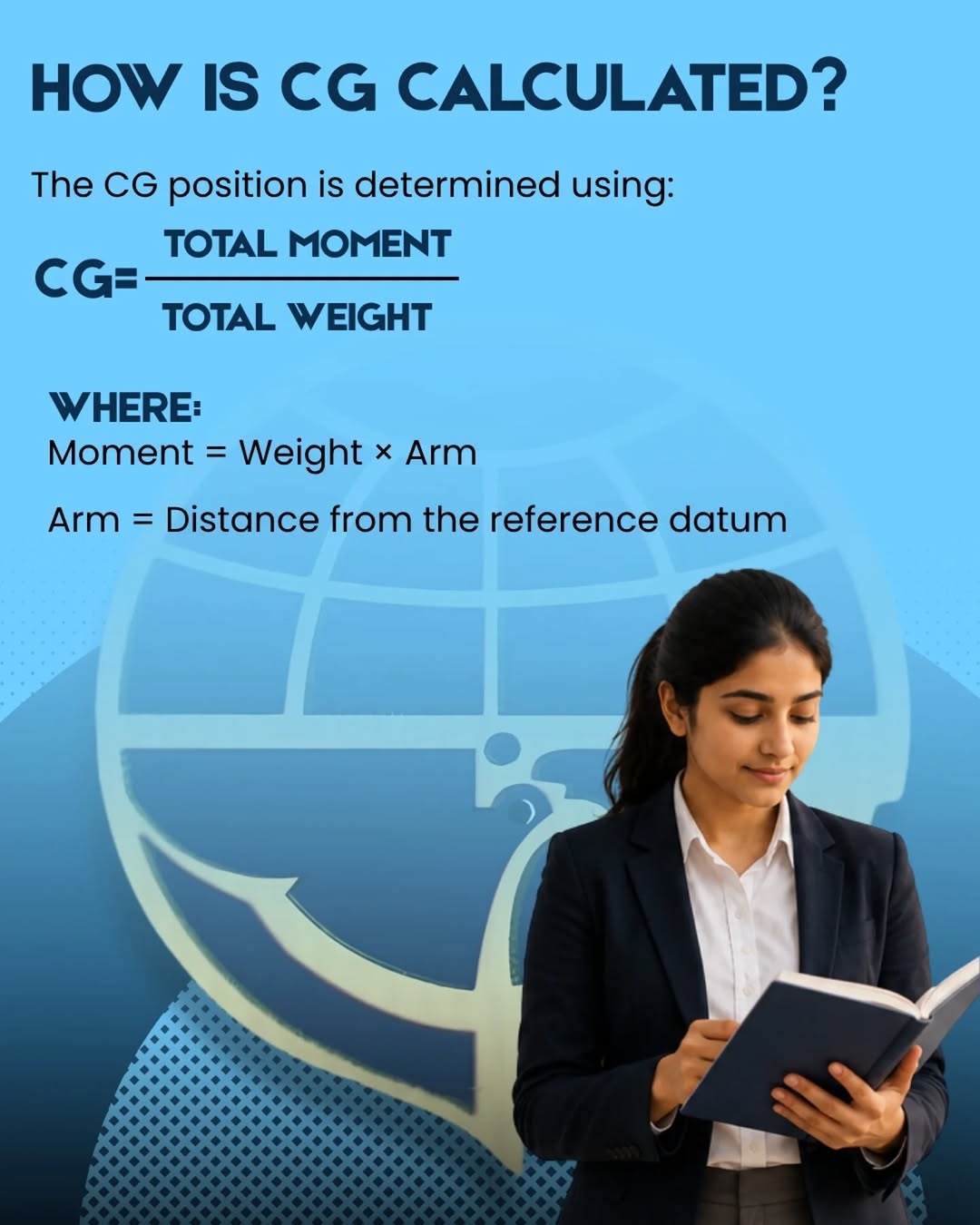
To calculate the CG accurately, aeronautical engineers and pilots use a reference datum. The datum is an imaginary vertical plane or line from which all horizontal distances are measured for weight and balance calculations. Understanding how to measure arms, moments, and weights relative to this datum is a fundamental competency taught in our comprehensive aviation courses.
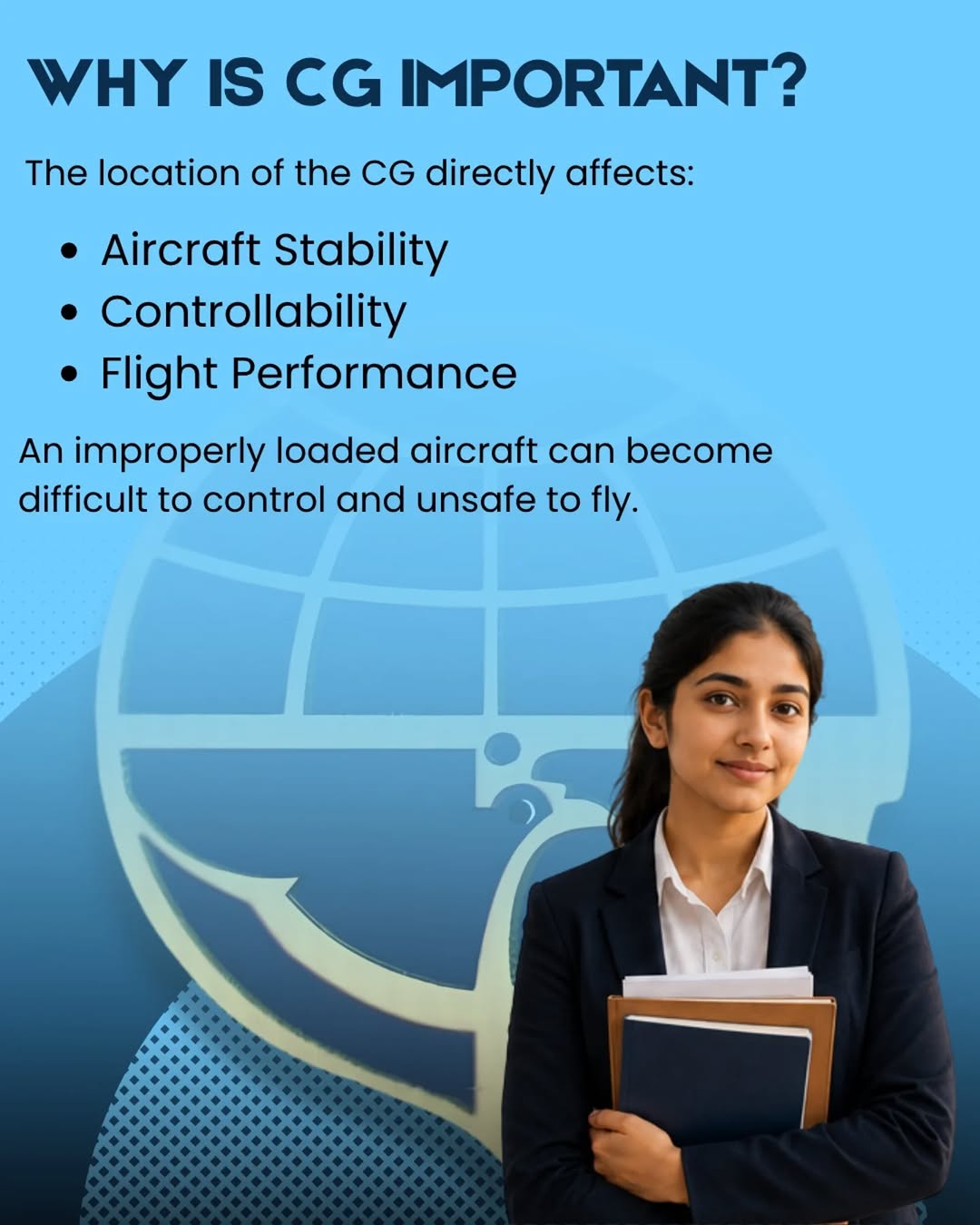
Why Staying Within CG Limits is Critical
Operating an aircraft outside of its certified weight and balance limits introduces severe aerodynamic risks:
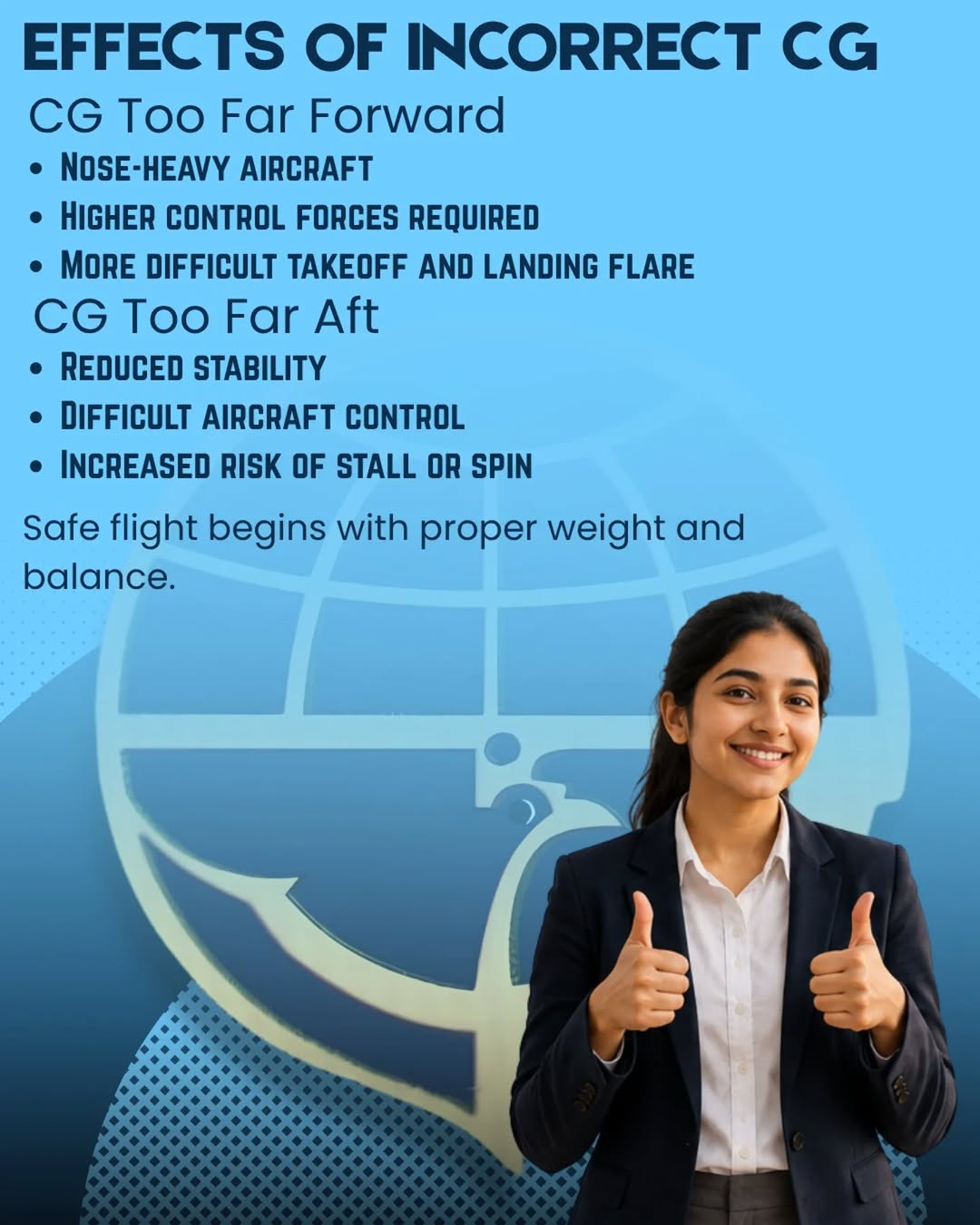
- Forward CG Limit Exceeded: A nose-heavy aircraft requires higher control forces, creates excessive loads on the nose landing gear, and demands higher takeoff speeds. Recovery from stalls also becomes significantly more difficult.
- Aft CG Limit Exceeded: A tail-heavy aircraft is dangerously unstable in pitch. It reduces the pilot’s ability to recover from a stall or spin and can result in a flat spin, from which recovery is often impossible.
What Causes CG to Shift During Flight?
Weight distribution is rarely static throughout an entire journey. As fuel is burned from wing and fuselage tanks, the total weight decreases and the CG can shift. Additionally, the movement of passengers, cargo redistribution, or the dropping of payload during specialized operations will alter the balance profile. Aviation professionals must continuously monitor these changes to ensure the aircraft remains safely balanced from engine start to shutdown.
Elevate Your Career with Dr MGR Aviation Academy
Mastering complex aeronautical subjects like weight, balance, and center of gravity requires expert instruction, hands-on training, and a rigorous educational environment. Whether you aspire to sit in the flight deck or manage ground operations, Dr MGR Aviation Academy equips you with the technical knowledge demanded by the modern aviation industry.
Are you ready to take your passion for aviation to professional heights? Explore our specialized training and management courses designed to launch your career in the skies.



Frequently Asked Questions
What is the Centre of Gravity in an aircraft?
The Centre of Gravity (CG) is the point where the total weight of the aircraft is assumed to be concentrated. It must remain within specific forward and aft limits for safe flight.
What happens if an aircraft’s CG is too far aft?
An aft CG makes the aircraft dangerously unstable in pitch, reduces the ability to recover from stalls, and can cause unrecoverable flat spins.
What is a reference datum in aviation?
A reference datum is an imaginary vertical plane established by the manufacturer from which all horizontal distances are measured to calculate aircraft weight and balance.
How does fuel burn affect the Centre of Gravity?
As an aircraft consumes fuel during flight, its total weight decreases and the CG can shift forward or backward depending on the aircraft’s fuel tank design.
Why study aviation at Dr MGR Aviation Academy?
Dr MGR Aviation Academy offers industry-aligned training, expert faculty, and comprehensive courses covering critical technical subjects like weight and balance, preparing students for successful aviation careers.