
Navigating the Challenges of GNSS Interference in Modern Aviation
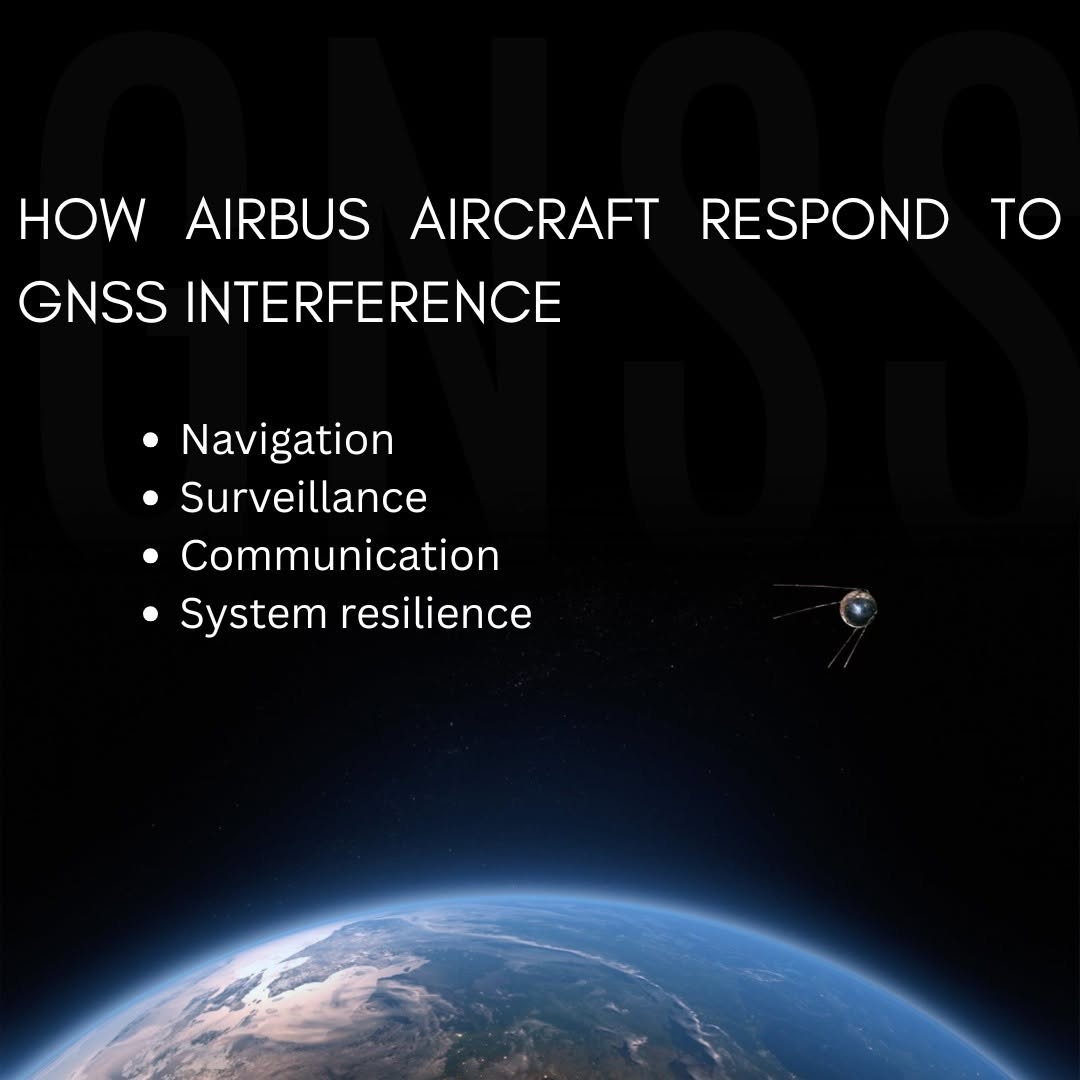
As the aviation industry becomes increasingly reliant on satellite-based navigation, the integrity of Global Navigation Satellite System (GNSS) signals is paramount for safe flight operations. However, recent updates highlighted by Dr MGR Aviation Academy emphasize a growing operational concern: GNSS signal compromises. When these critical signals are jammed, spoofed, or otherwise disrupted, flight deck indications can quickly become misleading, posing severe challenges to situational awareness.
Professional pilots and aviation management personnel must stay ahead of these technological vulnerabilities. Understanding how to cross-check navigational aids, recognize abnormal Inertial Reference System (IRS) drift, and apply manufacturer-recommended troubleshooting steps is a core competency taught during rigorous professional pilot and aviation management training programs.
Recognizing Abnormal IRS Drift and Navigation Failures
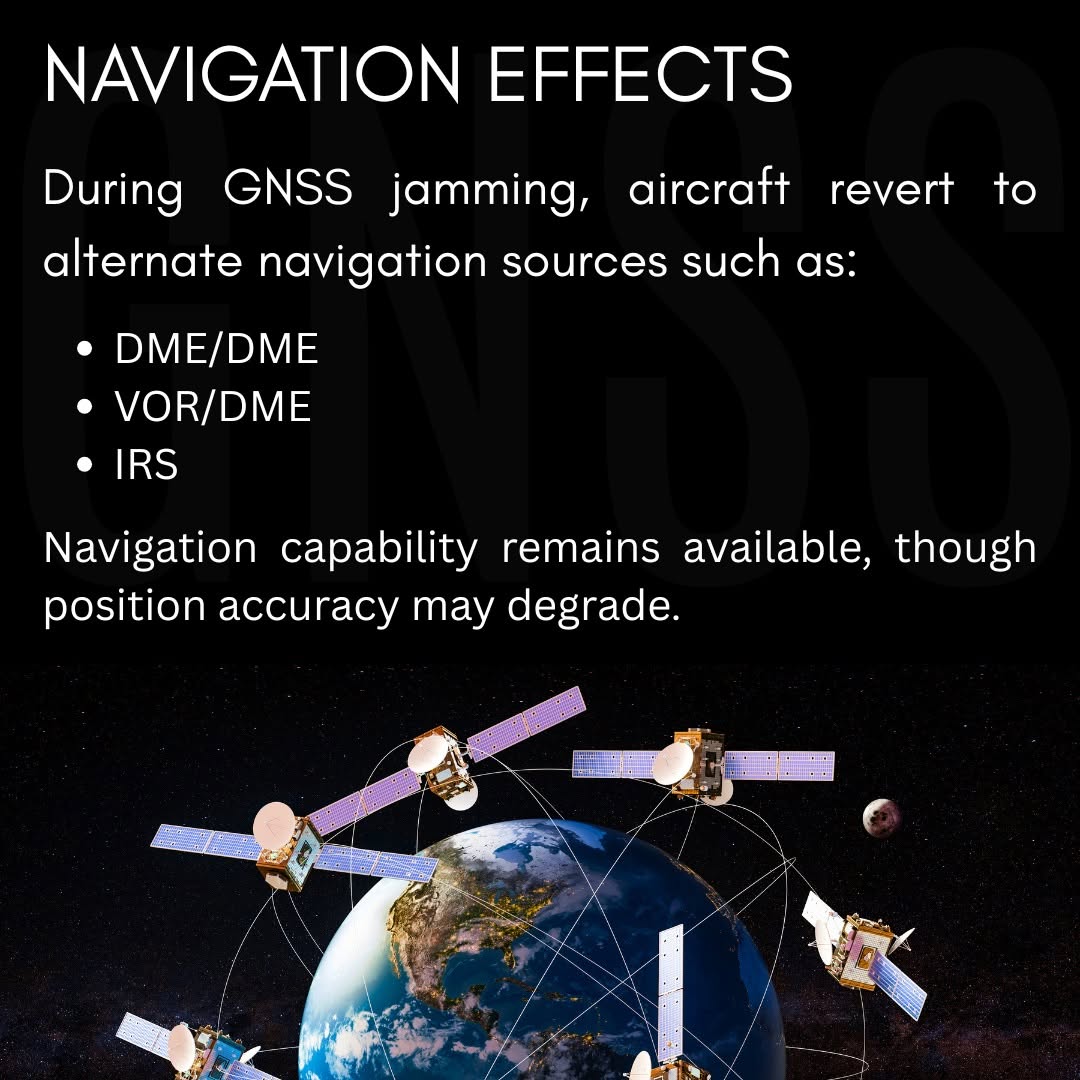
When GNSS inputs are compromised, modern flight management systems rely heavily on inertial data. However, over time, IRS units are subject to natural drift. Without accurate updates from GNSS or ground-based radio navigation aids, position errors can accumulate unacceptably.
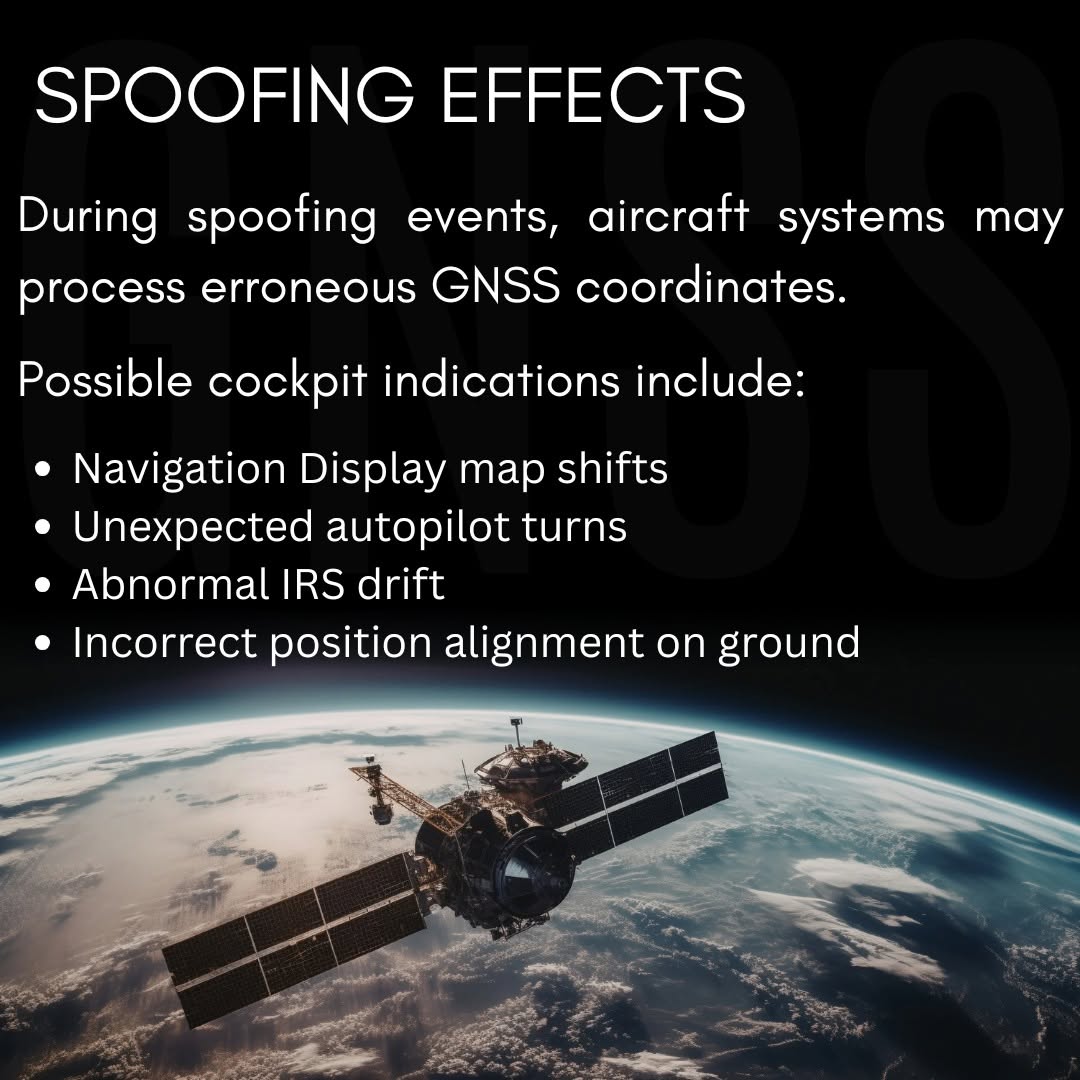
Flight crews must be trained to identify the subtle warning signs of navigation degradation before they escalate into safety hazards. Symptoms of compromised GNSS and excessive IRS drift include:
- Discrepancies between the Flight Management System (FMS) position and raw navigation data from VOR/DME or ADF sources.
- ECAM or EICAS caution messages indicating GPS integrity loss or loss of NAV accuracy.
- Unexpected route deviations or alerts regarding map shift on the Navigation Display (ND).
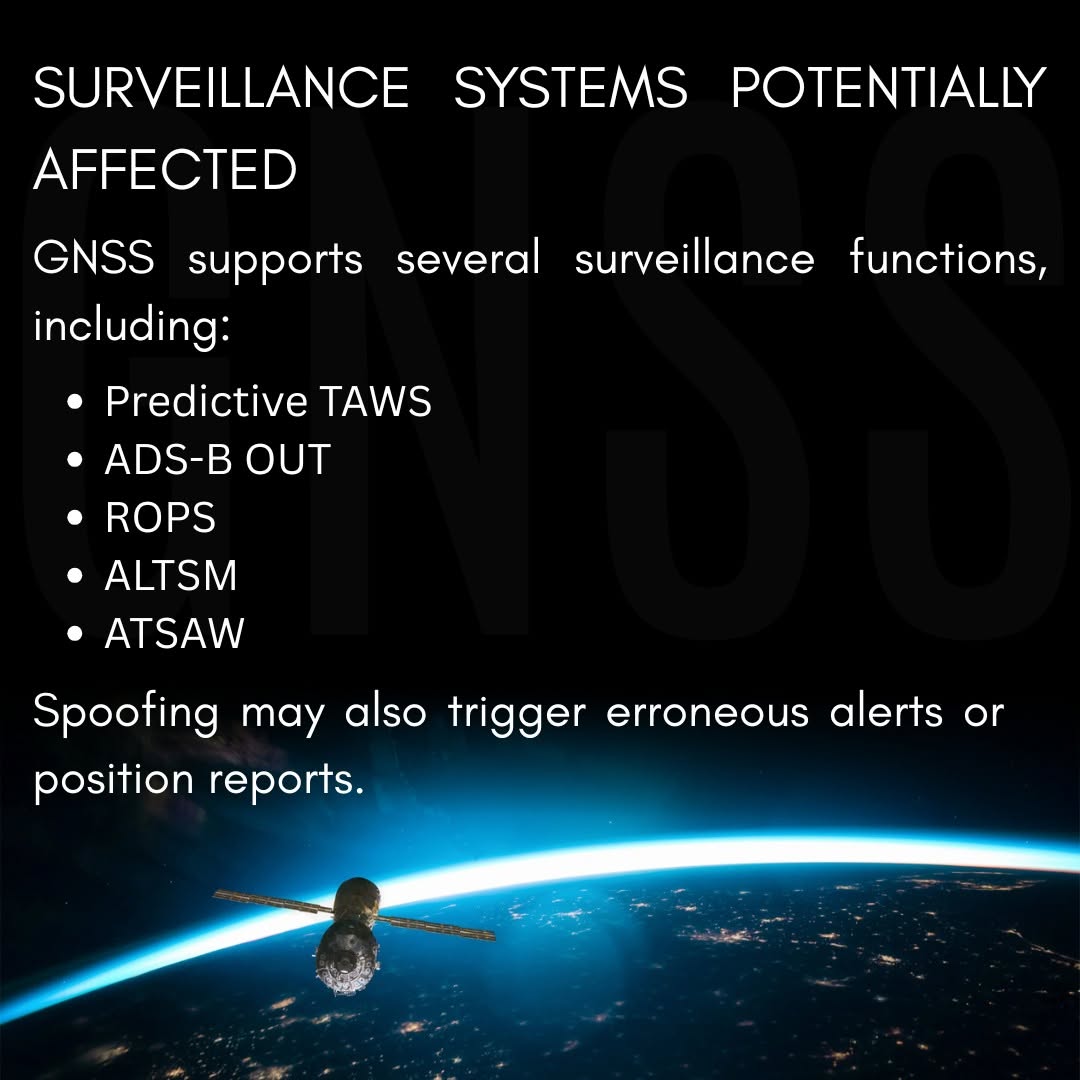
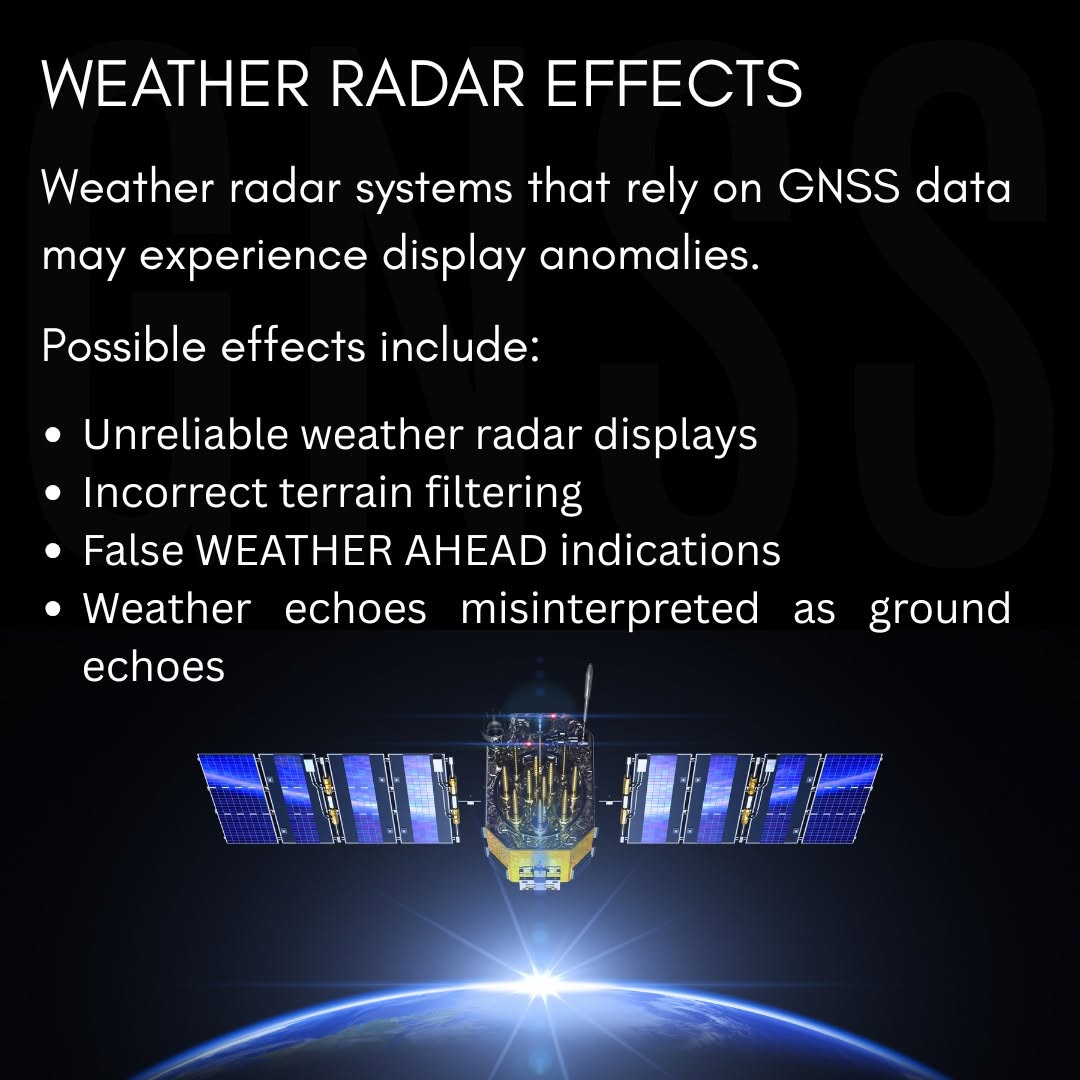
- Incorrect terrain filtering and radar display anomalies caused by erroneous position inputs.
Airbus FCOM Procedures: Your Safety Blueprint
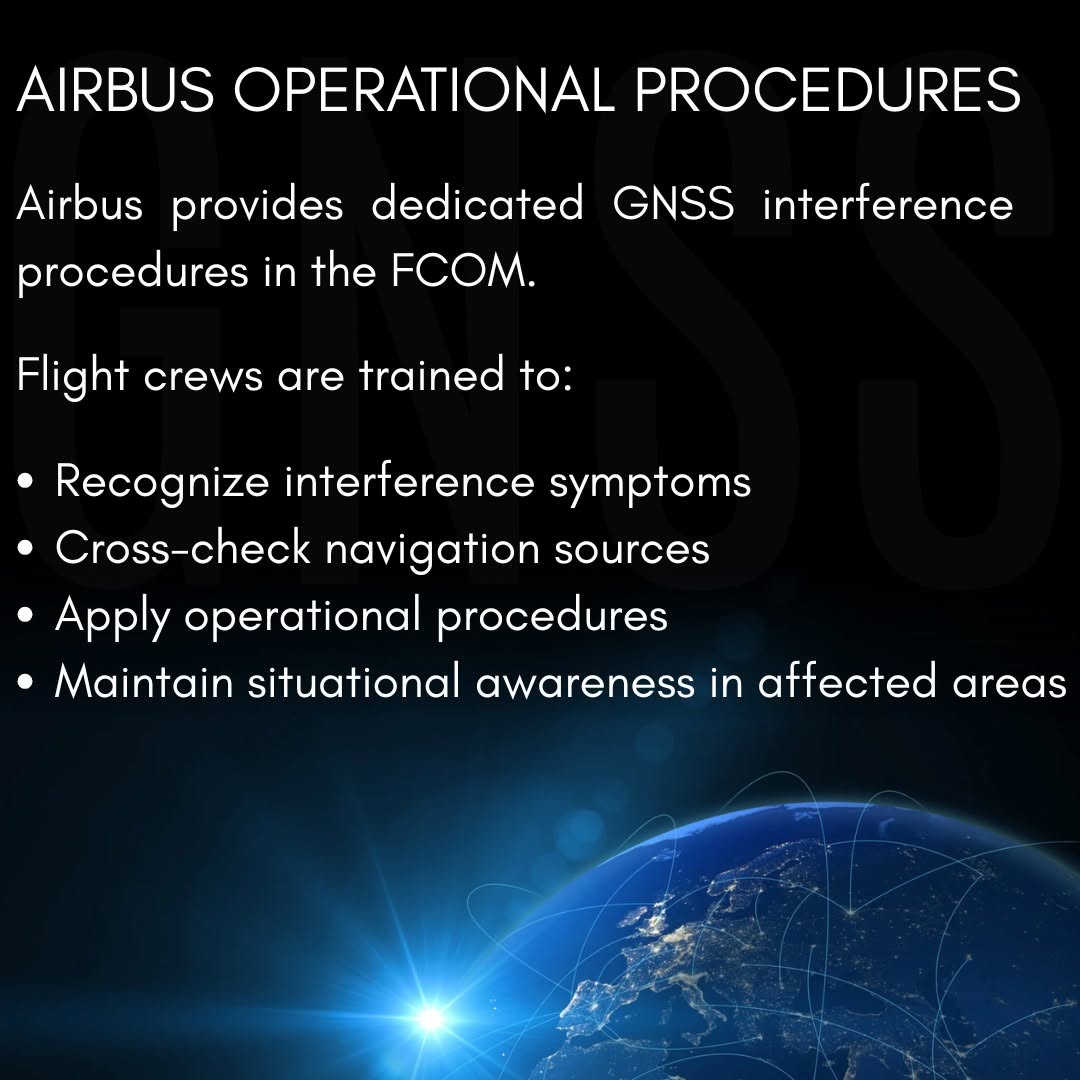
Major aircraft manufacturers like Airbus provide comprehensive guidance within the Flight Crew Operations Manual (FCOM) to assist flight crews in managing navigation system anomalies. At Dr MGR Aviation Academy, curriculum integration ensures students deeply understand and apply these vital operational steps:
- Recognize Symptoms Early: Vigilance is the first line of defense. Crew resource management (CRM) and proactive monitoring ensure that navigation discrepancies are caught during the initial stages of signal degradation.
- Cross-Check Independent Nav Sources: Crews must verify FMS positions against available conventional radio navigation aids, such as VORs and DME arcs, ensuring a multi-layered verification of the aircraft’s exact coordinates.
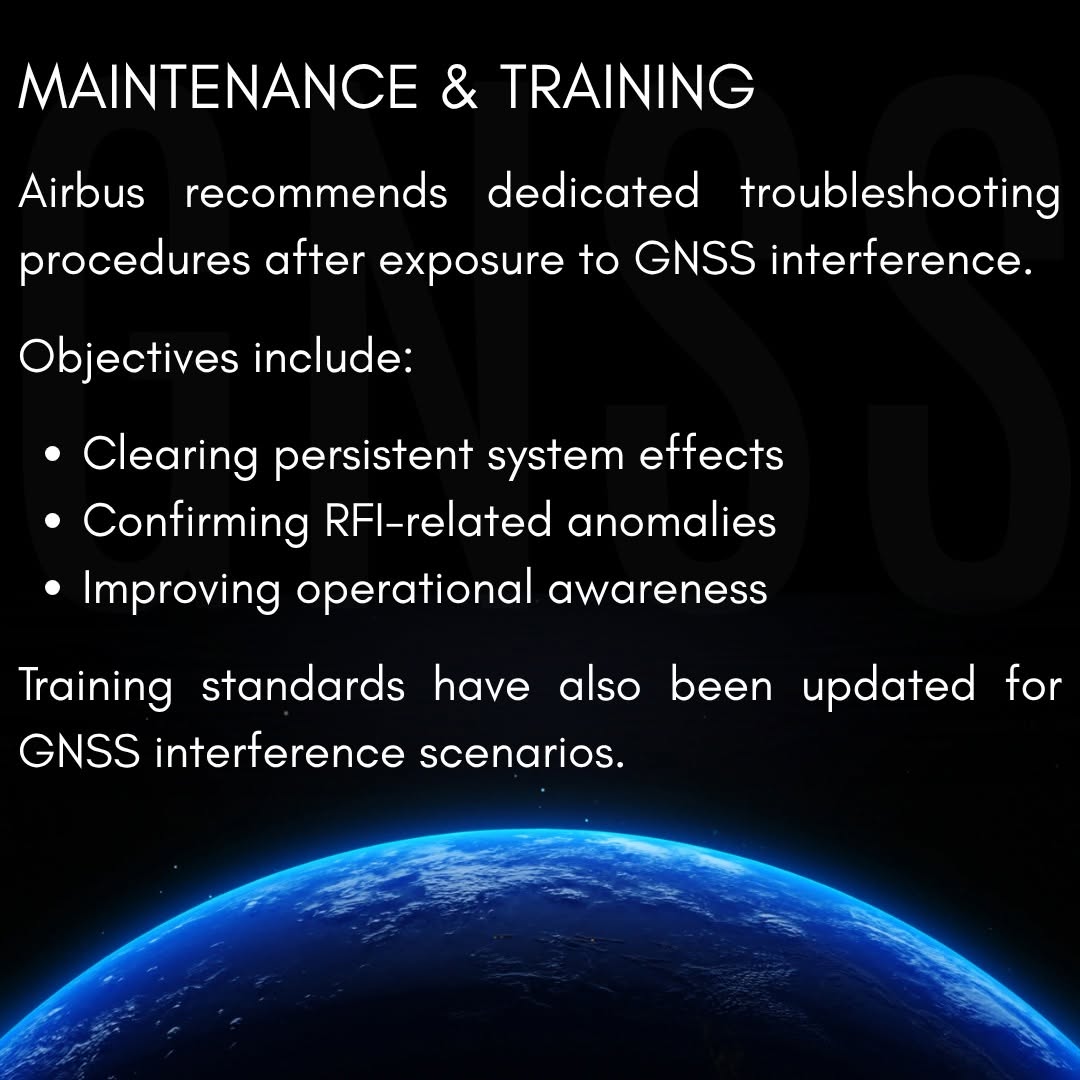
- Apply RFI Troubleshooting: Radio Frequency Interference (RFI) procedures must be executed systematically to isolate affected systems, revert to alternate navigation modes if necessary, and ensure continuous safe trajectory management.
Future Enhancements in Satellite Navigation and Security
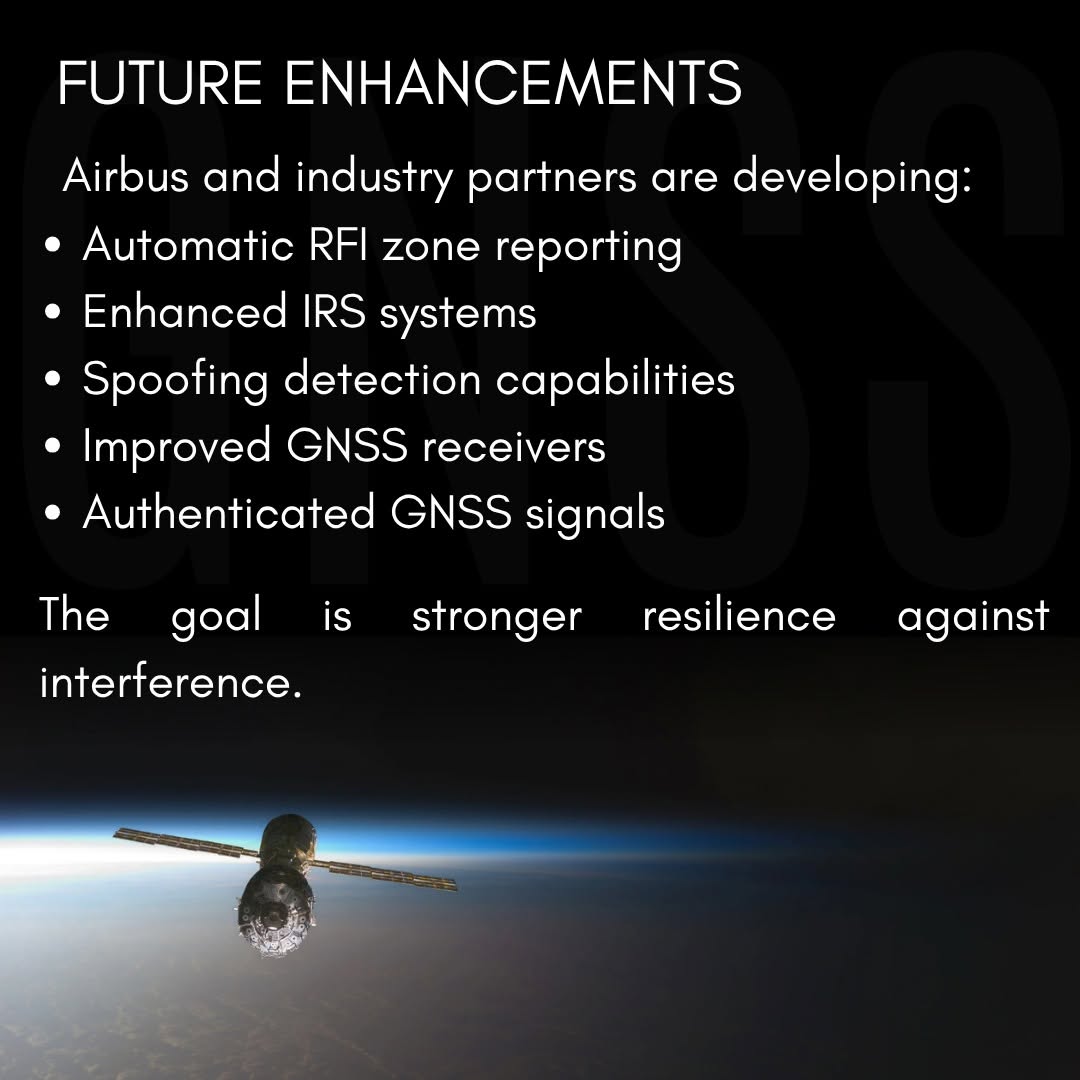
The landscape of avionics is evolving rapidly to counter emerging threats to satellite navigation. Future enhancements currently under development and testing promise to make air travel significantly more resilient against malicious or accidental interference. Key technological advancements include:
- Authenticated GNSS Signals: Implementation of cryptographic signals that verify the true origin of satellite data, effectively neutralizing spoofing attempts.
- Automatic RFI Zone Reporting: Systems designed to automatically log and report interference zones to air traffic management, protecting subsequent flights operating along the same airways.
By integrating these cutting-edge concepts into our curriculum, Dr MGR Aviation Academy ensures that our graduates are not only prepared for the cockpit realities of today but are also ready to pioneer the safety standards of tomorrow.
Advance Your Career with Expert Aviation Training
Navigating complex technical challenges requires world-class education and hands-on preparation. Whether you are aspiring to sit in the left seat of a commercial airliner or aiming for a leadership role in airline operations, mastering technical flight deck procedures is essential.
Join the ranks of skilled professionals trained at Dr MGR Aviation Academy in Chennai. Explore our comprehensive suite of aviation training and management courses designed to elevate your career to new heights. Stay safe, stay educated, and always prioritize operational excellence.
Frequently Asked Questions
What happens when GNSS signals are compromised in flight?
When GNSS signals are jammed or spoofed, cockpit indications can become misleading, potentially leading to navigation errors, map shifts, and incorrect terrain filtering.
How do Airbus FCOM procedures help crews handle navigation anomalies?
The FCOM guides crews to recognize symptoms early, cross-check independent navigation sources against conventional radio aids, and apply specific RFI troubleshooting steps.
What is IRS drift?
IRS (Inertial Reference System) drift is the natural accumulation of positional error over time within an aircraft’s inertial navigation units when they lack valid external position updates.
What future enhancements are coming to GNSS technology?
Upcoming advancements include authenticated GNSS signals to prevent spoofing and automatic Radio Frequency Interference (RFI) zone reporting systems.
Why study at Dr MGR Aviation Academy?
Dr MGR Aviation Academy offers top-tier aviation training and management courses in Chennai, preparing students with up-to-date knowledge on modern cockpit systems and safety procedures.