
When passengers look out the window during a commercial flight, they often notice that aircraft always take off and land facing directly into the wind. Far from being a mere pilot preference, this fundamental operational protocol is rooted in rigorous aerodynamics and flight safety physics. At Dr MGR Aviation Academy, we emphasize practical aeronautical knowledge that bridges textbook theory with real-world cockpit execution. Let us examine the precise scientific principles that dictate why landing into the wind remains the gold standard in modern aviation.
The Core Aerodynamics: How Headwinds Generate Lift
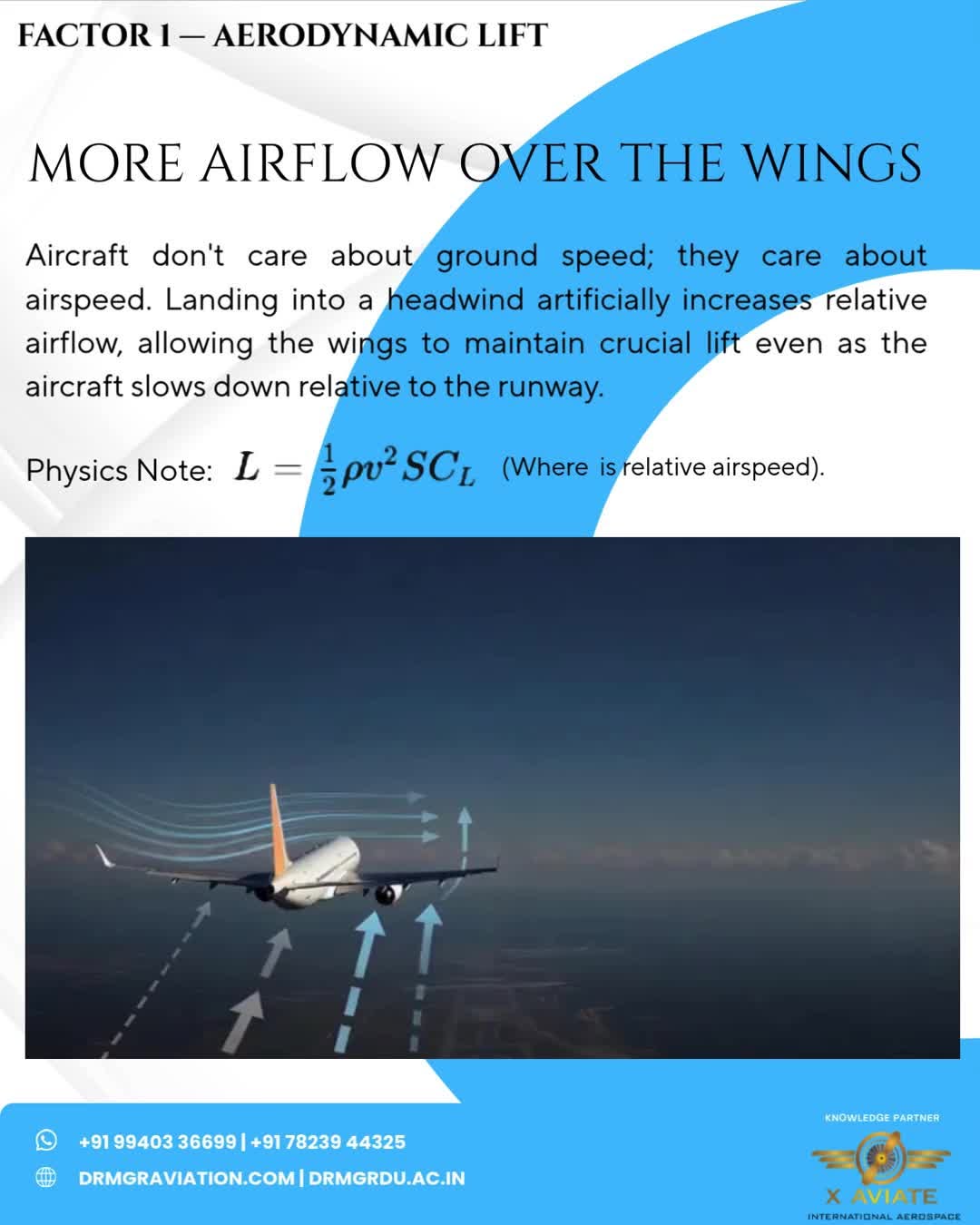
To understand aircraft landings, one must first look at how lift is generated. Lift is not merely a function of the airplane’s ground speed; it is fundamentally determined by the speed of the air flowing over the wings (airspeed). When an aircraft approaches a runway facing a headwind, the oncoming air velocity over the wing surfaces increases significantly, even if the actual ground speed of the aircraft is relatively low.
This means a headwind allows the aircraft to maintain the necessary lift required to sustain flight at a slower forward speed relative to the ground. For student pilots training at our facility in Chennai, mastering the relationship between ground speed and airspeed is vital for executing stabilized approaches under varying meteorological conditions.
Shorter Landing Rolls and Superior Braking Efficiency
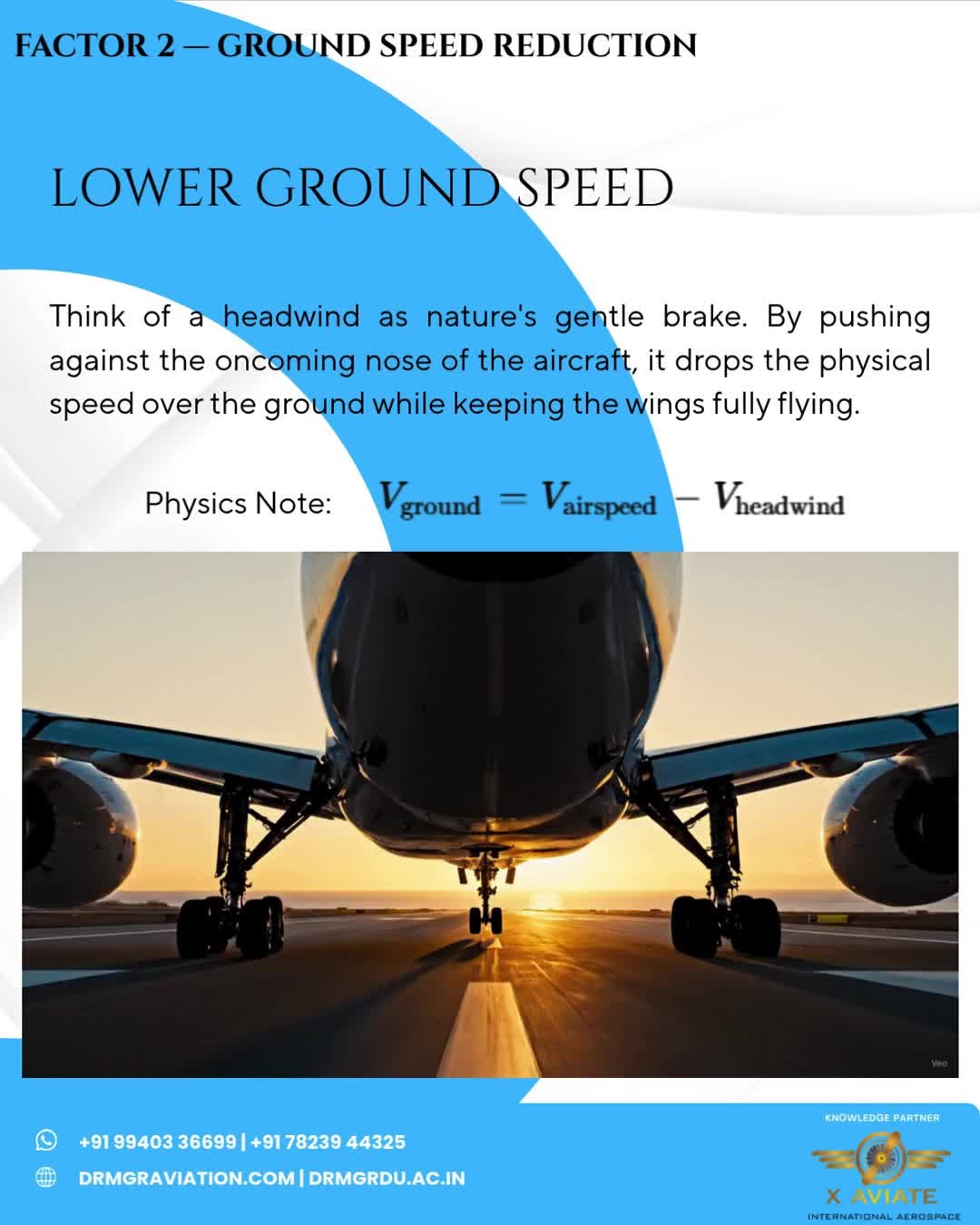
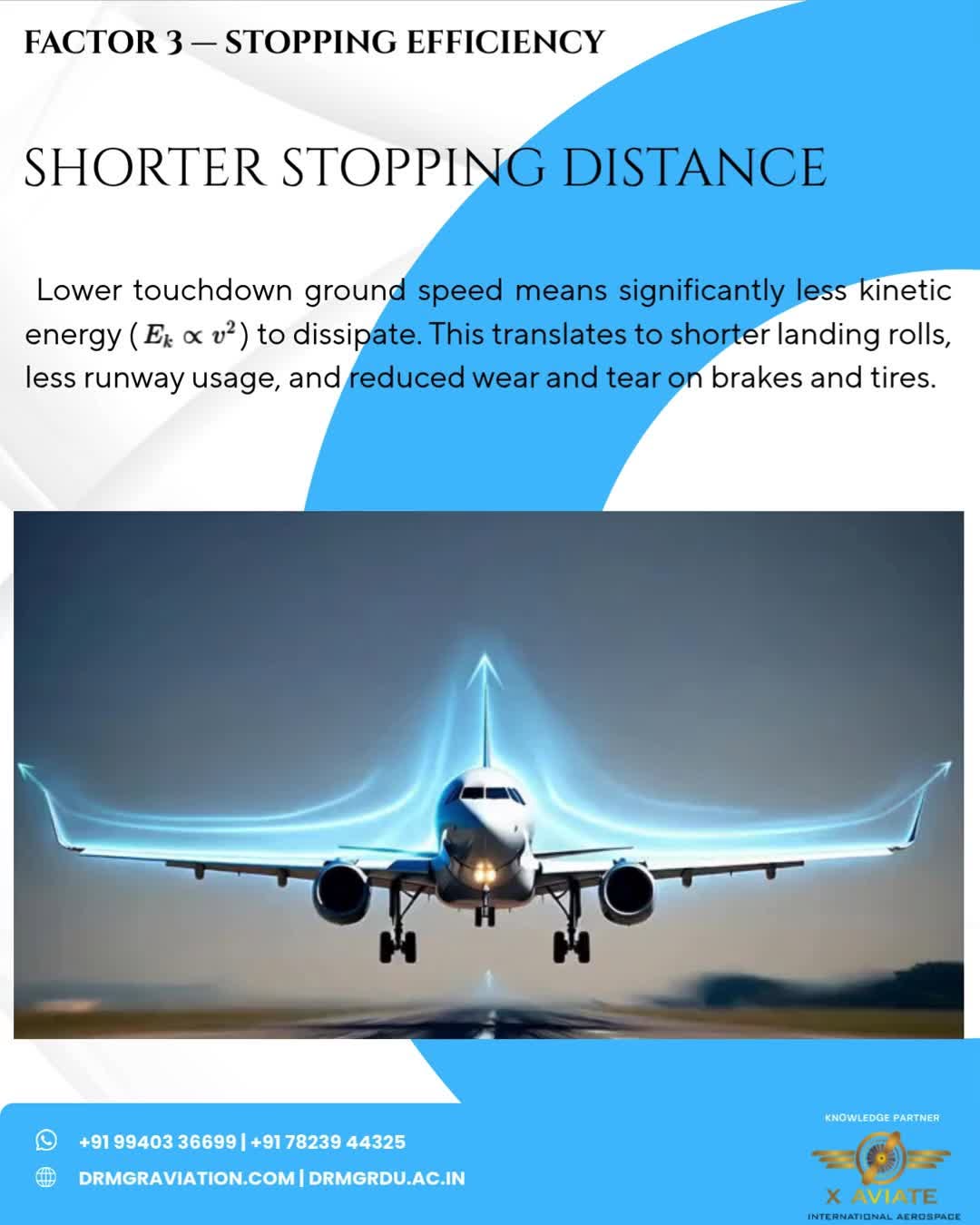
One of the most immediate practical benefits of landing into the wind is the drastic reduction in the required landing roll distance. Because the headwind acts as a natural aerodynamic brake against the forward motion of the aircraft, the plane touches down at a lower ground speed.
- Reduced Ground Speed: A lower ground speed at touchdown directly translates to less kinetic energy that the wheel brakes and thrust reversers must dissipate.
- Enhanced Tire Traction: Lower touchdown speeds minimize wear and tear on landing gear tires and reduce the risk of hydroplaning on damp or wet runways.
- Shorter Runway Requirements: Airports with shorter runways rely heavily on favorable wind conditions to safely accommodate larger commercial aircraft.
Greater Pilot Control and Crosswind Management
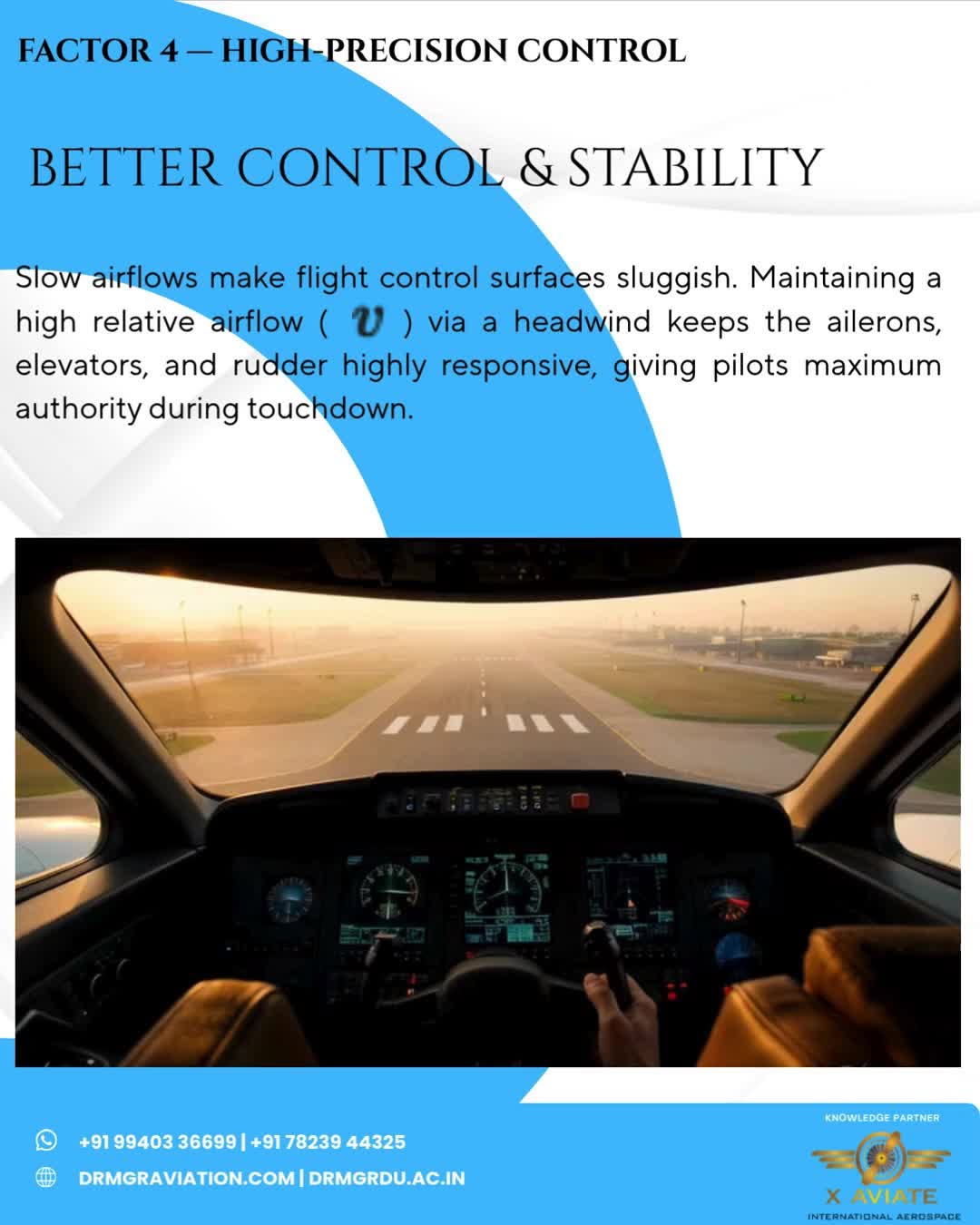
Aviation safety relies heavily on maximizing stability during critical phases of flight, particularly the final approach and landing flare. Landing into the wind ensures that the airflow striking the control surfaces—such as the ailerons, rudder, and elevators—remains clean and direct.
When crosswinds are present, pilots must employ specific crosswind landing techniques, such as the “crab angle” method or the “sideslip” method. However, aligning the aircraft’s longitudinal axis directly with the runway and the incoming wind vector eliminates asymmetrical aerodynamic forces right at the point of touchdown, vastly reducing the risk of directional loss of control or runway excursions.
Implications for Airport Operations and Air Traffic Control
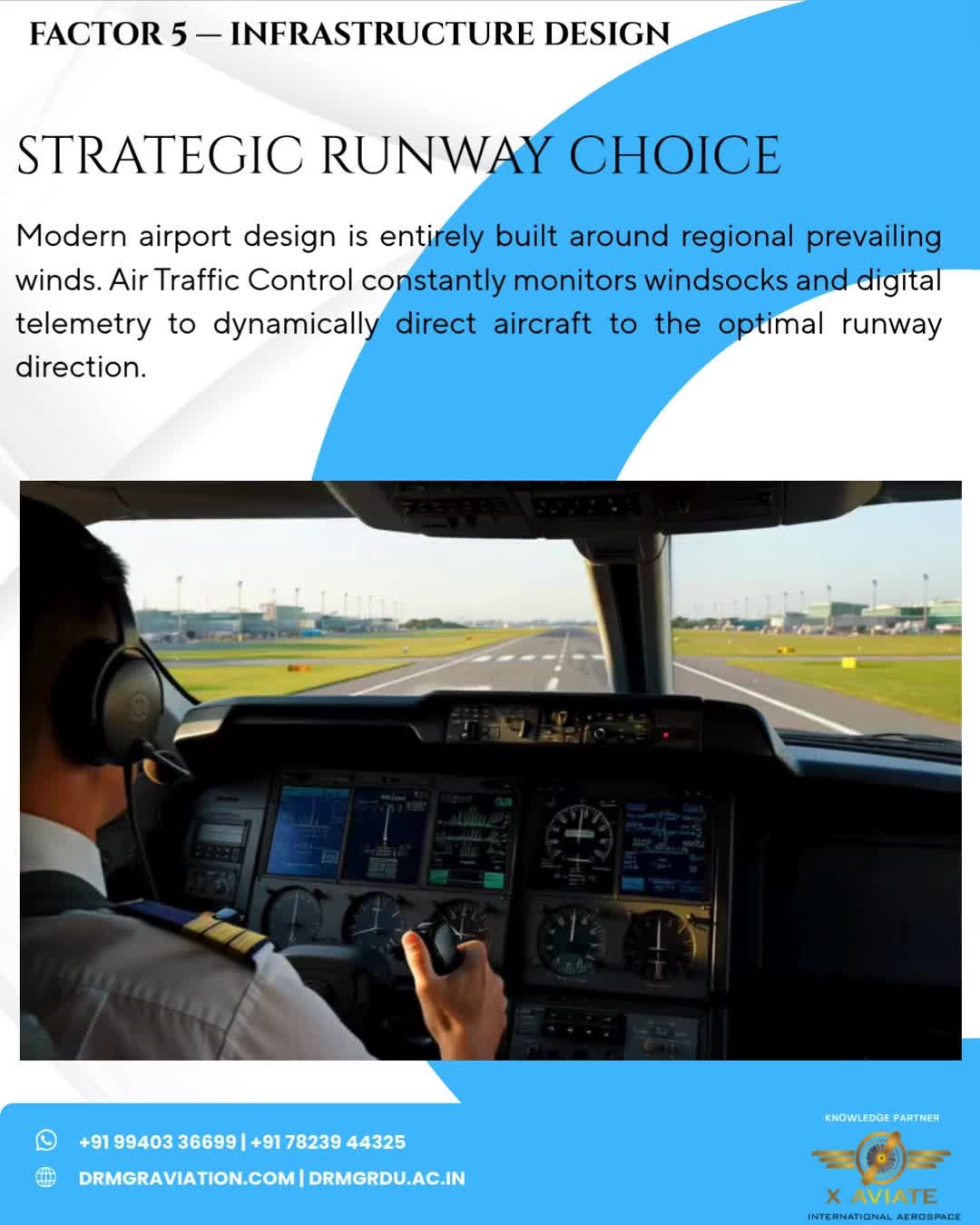
The operational requirement to face the wind dictates how entire international and domestic airports are designed and operated. Air Traffic Control (ATC) continuously monitors anemometers and weather stations to assign active runways. If wind directions shift, airports must dynamically alter their active runway configurations to ensure departing and arriving aircraft maintain a safe headwind component.
Understanding these meteorological impacts is a core competency taught across our commercial pilot training and airport management programs. Future aviation professionals must be capable of interpreting terminal aerodrome forecasts (TAFs) and METAR reports to anticipate operational changes.
Elevate Your Aviation Career with Dr MGR Aviation Academy
Grasping the nuances of aerodynamics and aircraft operations separates an average aviation enthusiast from a competent, safety-minded industry professional. Whether you are stepping into a flight deck or managing complex ground operations, deep technical knowledge is your greatest asset.
At Dr MGR Aviation Academy in Chennai, our curriculum is engineered to transform aspiring students into elite aviation professionals. From comprehensive pilot training to advanced aerospace management, we provide the theoretical depth and practical insight required to excel in the global aviation sector. Explore our specialized courses today and take the first step toward a rewarding career in the skies.
Frequently Asked Questions
Why do aircraft always land and take off facing the wind?
Landing and taking off into the wind increases airspeed over the wings without increasing ground speed, which maximizes lift, shortens the landing roll, and provides better aircraft control.
What is the difference between ground speed and airspeed during a landing?
Airspeed is the speed of the aircraft relative to the air mass moving around it, while ground speed is the speed of the aircraft relative to the ground. A headwind increases airspeed while lowering ground speed.
How does a headwind affect runway length requirements?
A headwind helps slow down the aircraft upon touchdown, resulting in a shorter landing roll and allowing aircraft to safely utilize shorter runways.
What training programs does Dr MGR Aviation Academy offer?
Dr MGR Aviation Academy offers comprehensive training and management courses tailored for aspiring pilots, aviation students, and aerospace professionals in Chennai, India.