
Navigating the Skies: The Journey from Trainee to Captain
The aviation industry is built on rigorous standards, unmatched discipline, and structured career progression. As highlighted recently by Dr MGR Aviation Academy, every seasoned captain sitting left-seat in a commercial airliner started exactly where you are today—as a motivated beginner taking their very first ground school class.
Understanding the pilot career hierarchy is essential for anyone stepping into aviation training. Knowing how ranks progress, what responsibilities each stage entails, and how flight hours translate into career advancement provides clear milestones for your professional development.
The Stages of a Pilot Career Hierarchy
Commercial aviation maintains a standardized, globally recognized hierarchy that ensures safety, accountability, and operational efficiency. Moving up these ranks requires a combination of flight hours, rigorous check rides, medical certifications, and continuous theoretical education.
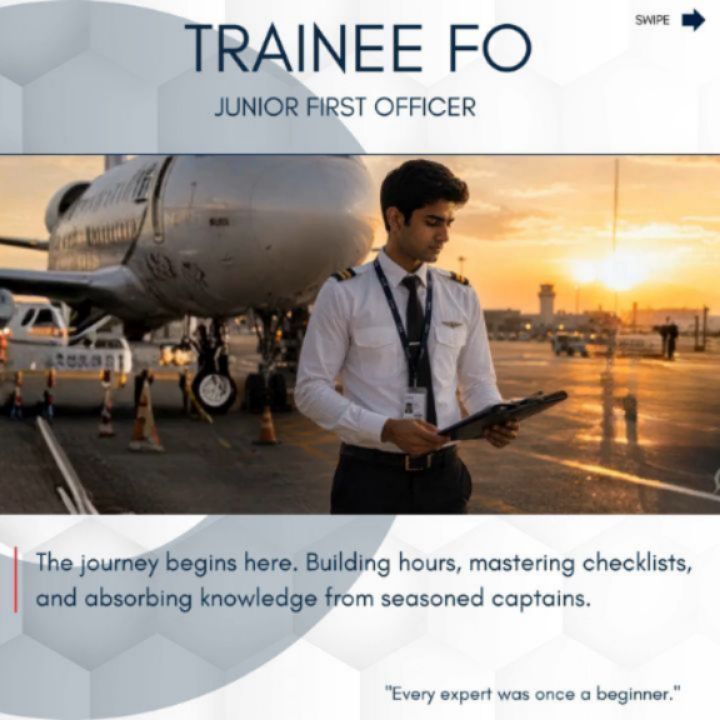
1. Student Pilot and Trainee First Officer
The journey begins in the classroom and simulator. As a student pilot, your primary objective is mastering aerodynamics, meteorology, navigation, and air law while accumulating dual and solo flight hours. Upon earning your Commercial Pilot License (CPL) and completing type-rating training, you transition into a Trainee First Officer or Junior First Officer.
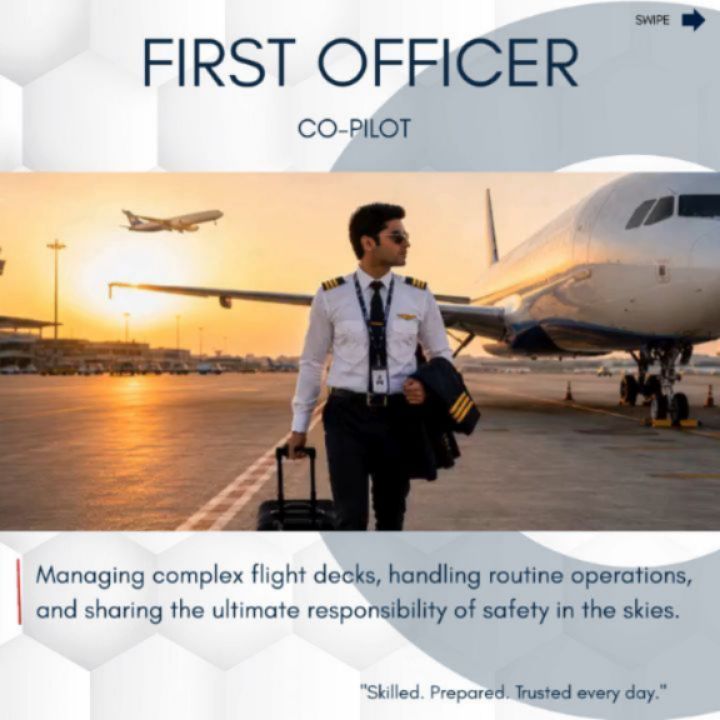
2. First Officer (Co-Pilot)
Sitting in the right-hand seat, the First Officer shares flight duties equally with the Captain. While the Captain holds ultimate legal responsibility for the flight, modern multi-crew coordination (MCC) relies heavily on active monitoring, shared decision-making, and dual-pilot operation. First Officers gain invaluable line-flying experience across domestic and international routes, building the high-altitude hours required for command upgrades.
3. Senior First Officer
As flight hours accumulate—often crossing the 1,500-hour mark or higher depending on regional airline requirements—First Officers transition to Senior First Officer status. At this stage, they mentor newer pilots entering the fleet and prepare themselves mentally and technically for the rigorous command upgrade process.
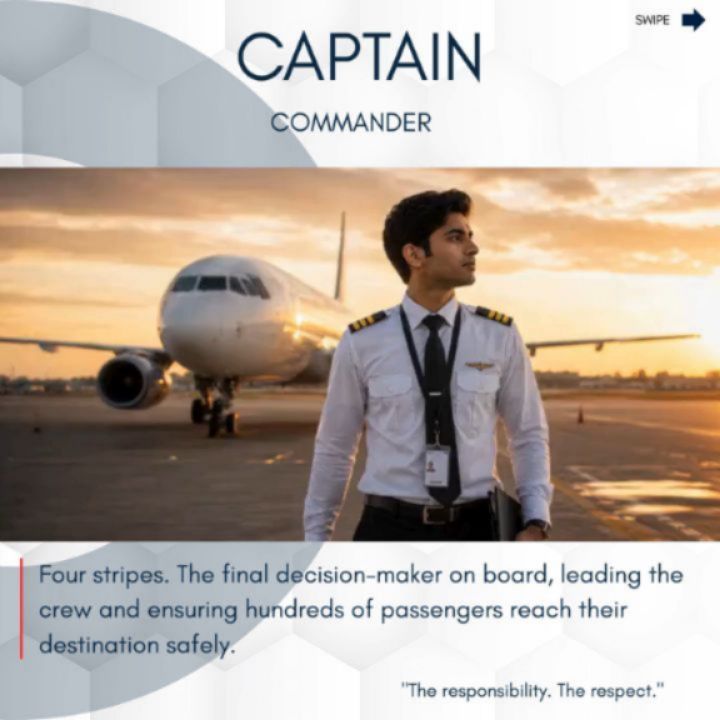
4. Airline Captain (Commander)
The left-hand seat represents the pinnacle of standard line operations. An Airline Captain is the ultimate authority on the aircraft, responsible for the safety of passengers, crew, and the multi-million-dollar asset. Achieving this rank requires passing comprehensive command assessments, simulator evaluations, and demonstrating exceptional leadership under pressure.
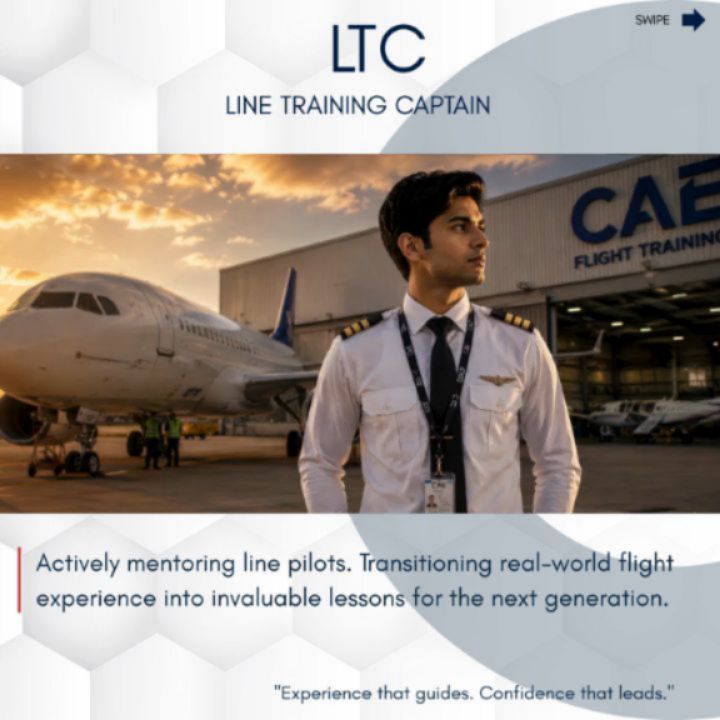
5. Check Airman, Instructor, and Examiner
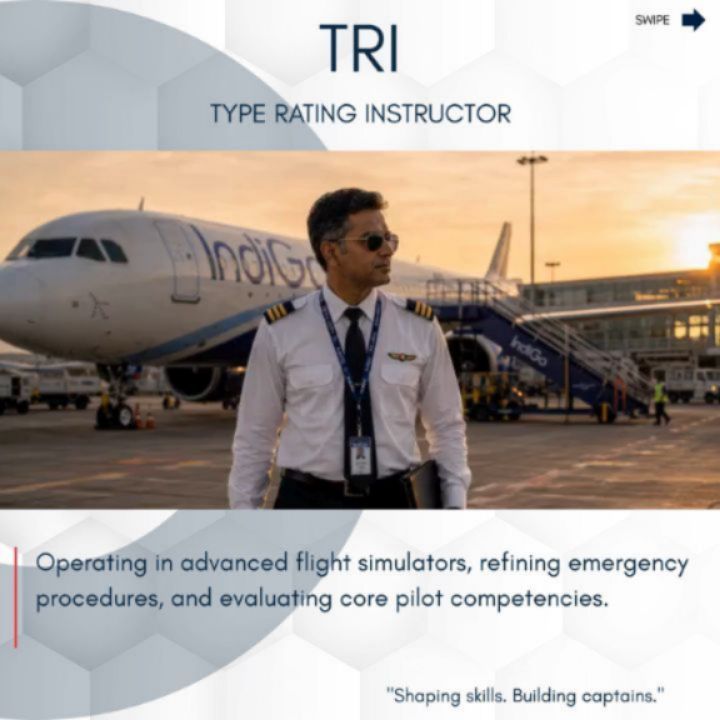
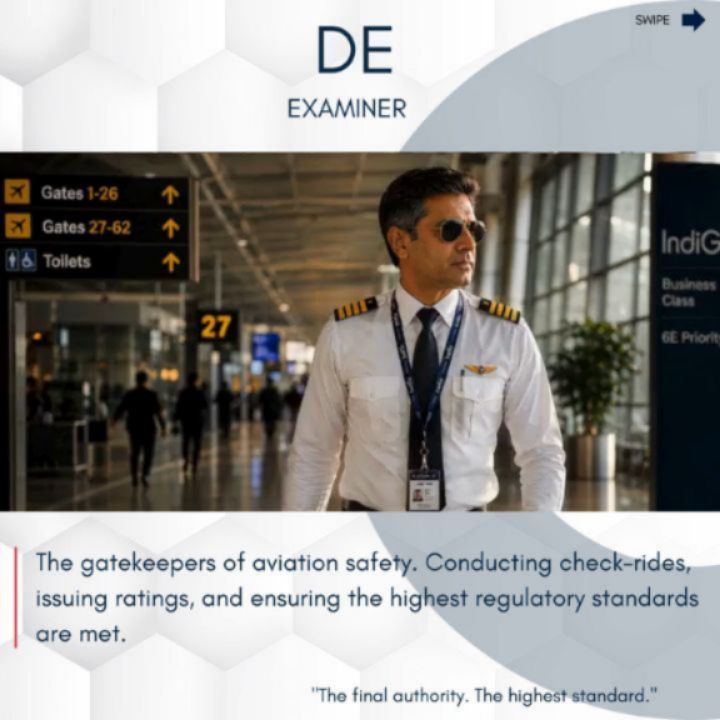
For elite pilots looking to give back to the profession, the hierarchy extends into training and evaluation. Captains can undergo specialized training to become Flight Instructors, Type Rating Instructors (TRI), or Designated Examiners. These professionals evaluate new trainees, conduct annual line checks, and ensure that safety standards remain uncompromising across the airline fleet.
Accelerating Your Aviation Journey in Chennai
Climbing this professional ladder requires world-class foundational training. At Dr MGR Aviation Academy in Chennai, our curriculum is engineered to bridge the gap between initial curiosity and airline cockpit readiness. We combine advanced ground school instruction with strategic career mentorship, preparing students for the competitive commercial aviation landscape.
Whether your goal is to fly domestic routes for regional carriers or command wide-body aircraft on international intercontinental flights, your trajectory is determined by the quality of your initial education. Discipline, adherence to standard operating procedures (SOPs), and continuous learning are your greatest assets.
Conclusion: Take Your First Step Today
Every milestone in aviation begins with a decision to act. The structured hierarchy of the cockpit ensures that hard work, dedication, and operational excellence are consistently rewarded with upward mobility. Are you ready to begin your journey toward the left seat? Connect with Dr MGR Aviation Academy today and discover how our professional aviation training programs can shape your future in the skies.

Frequently Asked Questions
What is the starting rank in a commercial airline flight deck?
The journey typically begins as a Student Pilot during training, progressing to a Trainee First Officer or Junior First Officer upon earning a Commercial Pilot License and relevant type ratings.
How long does it take to become an Airline Captain?
The timeline varies based on airline hiring demands, flight hour accumulation (often requiring several thousand hours), and individual performance during command upgrade evaluations.
What training programs does Dr MGR Aviation Academy offer?
Dr MGR Aviation Academy offers comprehensive aviation training and management courses designed to prepare students for professional careers in the global aviation sector.
Do First Officers and Captains share flight duties equally?
Yes. Modern multi-crew aircraft operations rely on shared piloting duties, where the pilot flying and pilot monitoring roles alternate between the Captain and First Officer on each flight leg.