
India’s Remarkable Transformation into a Global Aviation Hub
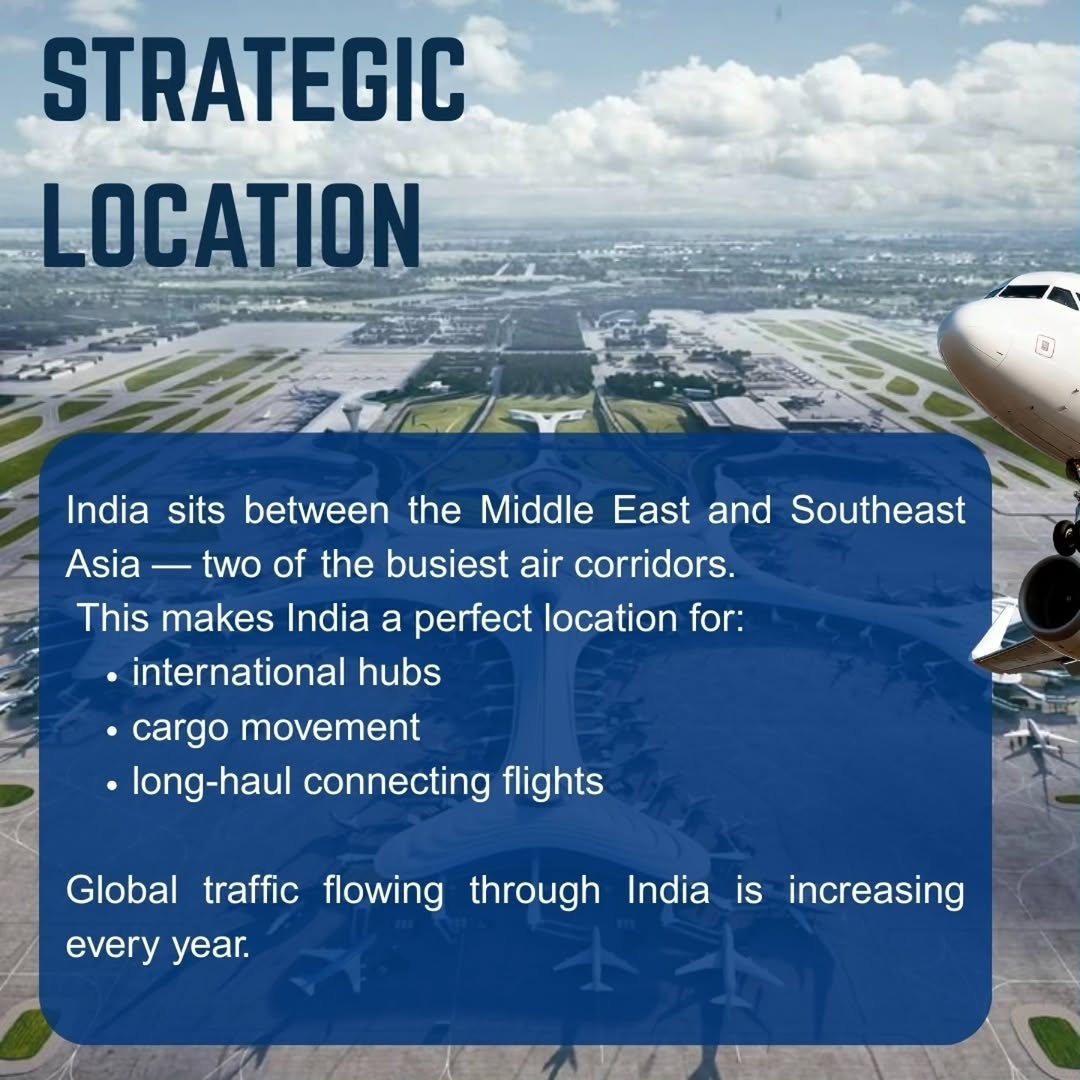
The landscape of Indian aviation is undergoing a monumental shift. As highlighted recently by Dr MGR Aviation Academy, India is officially ascending to global aviation hub status, driven by two powerful forces: rapid infrastructure expansion and an unwavering commitment to green aviation. For aspiring aviation professionals, this evolution represents an unprecedented era of career opportunity. With new domestic and international routes opening every month, the demand for skilled management, engineering, and operational personnel has never been higher.
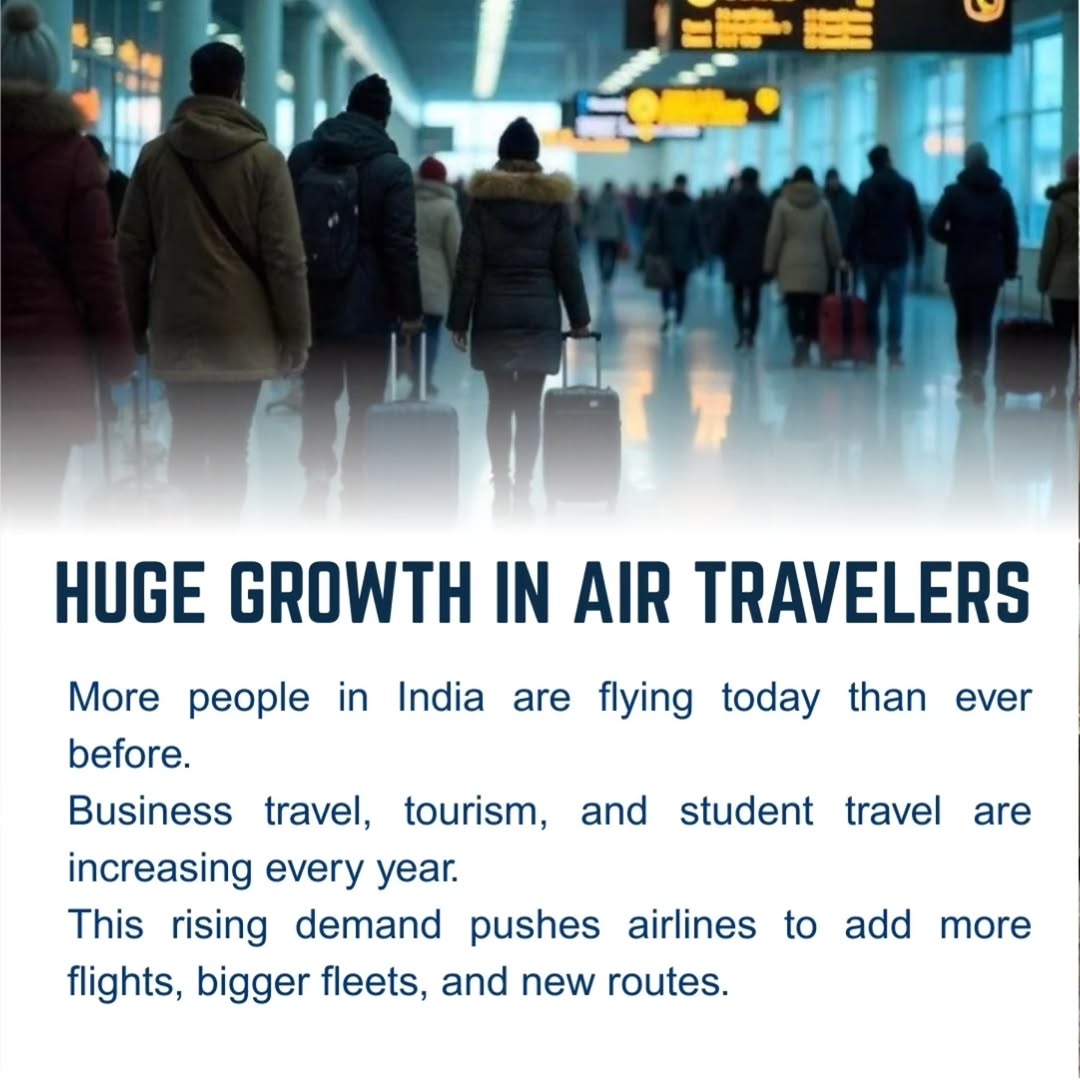
India currently stands as one of the fastest-growing aviation markets in the world. This explosive growth is not merely a statistical milestone; it is a fundamental restructuring of how people and goods move across the subcontinent and beyond. As airlines expand their fleets and airport operators build state-of-the-art facilities, the industry requires a new generation of educated professionals who understand both commercial viability and operational compliance.
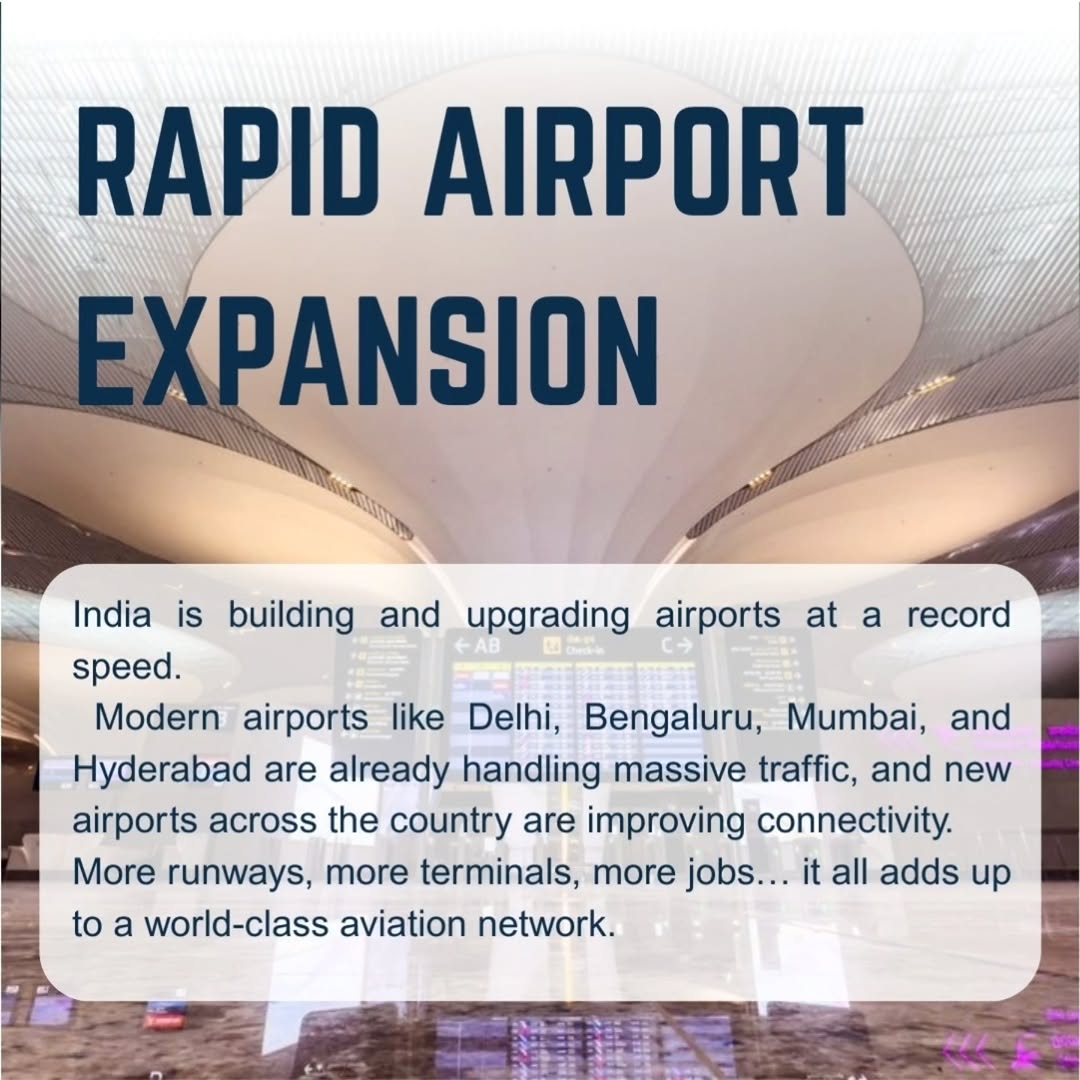
Rapid Airport Expansion: Fueling Connectivity
The physical backbone of India’s aviation boom is its massive airport infrastructure development program. From Tier-1 metropolitan hubs like Delhi, Mumbai, and Chennai to newly constructed greenfield airports in smaller cities, the country’s aviation capacity is multiplying. This expansion involves:
- Construction of new terminal buildings equipped with advanced passenger processing technologies.
- Development of parallel runways and enhanced air traffic management systems to reduce congestion.
- Integration of multimodal transport hubs connecting airports with metro rail, high-speed rail, and major highways.
- Expansion of cargo and logistics parks to support international supply chain demands.
For graduates of structured training programs, this expansion translates directly into diverse employment opportunities. Airport operations, terminal management, ground handling, and airside safety management are critical domains experiencing a severe talent shortage. Training at a recognized institution equips students with the exact competencies needed to manage these complex, high-volume operational environments effectively.
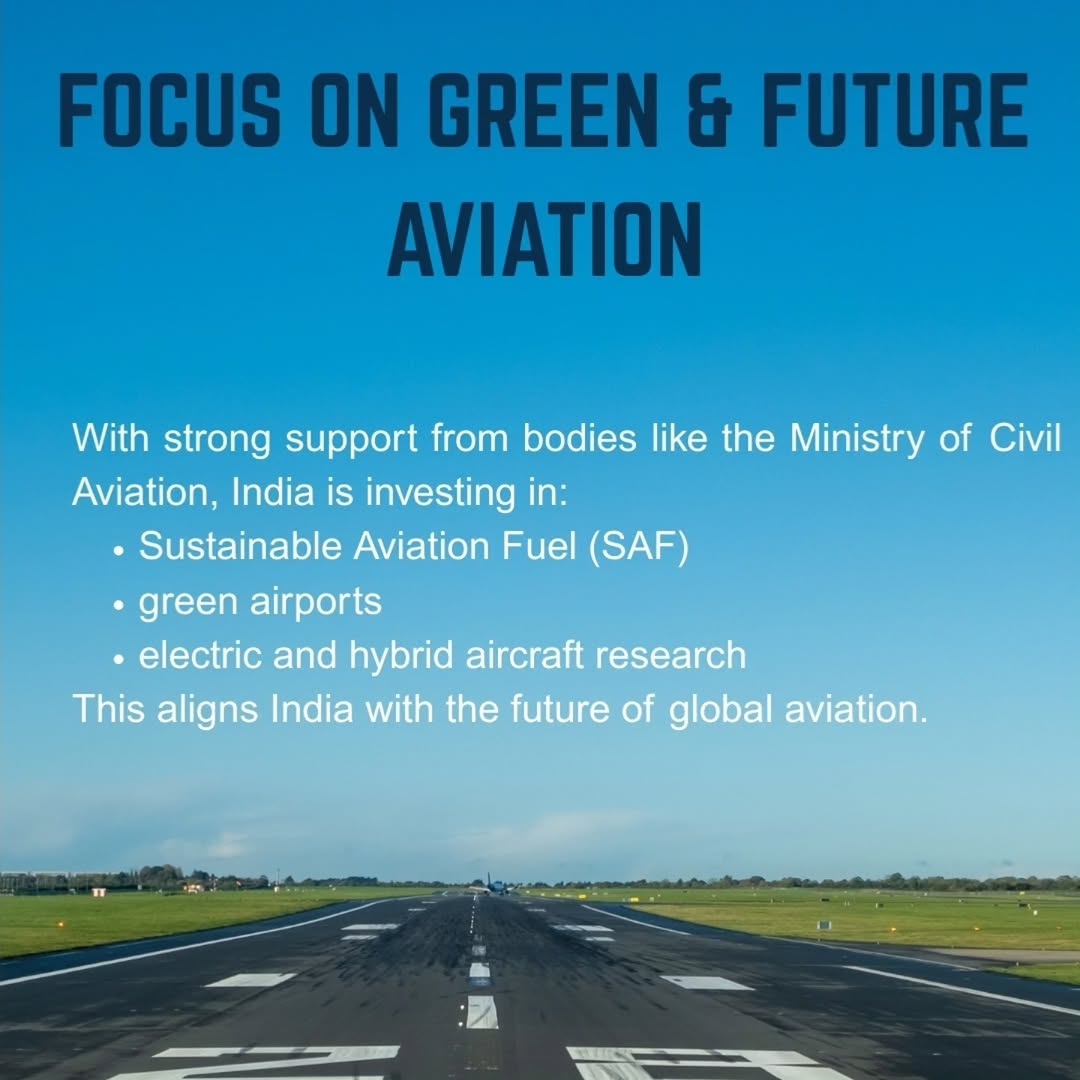
The Green Aviation Revolution: Sustainability in the Skies
While physical infrastructure growth is vital, the future of the industry depends heavily on environmental sustainability. Global aviation has set ambitious targets to achieve net-zero carbon emissions by 2050, and Indian aviation is actively aligning with these mandates. The “Focus on Green Aviation” is reshaping everything from aircraft technology to ground operations.
Key sustainability initiatives transforming Indian aviation include:
- Adoption of Sustainable Aviation Fuels (SAF) through domestic blending mandates and refinery investments.
- Fleet modernization featuring next-generation, fuel-efficient aircraft that significantly reduce noise and carbon footprints.
- Electrification of airside ground support equipment (GSE) and implementation of green building standards across terminal facilities.
- Optimized flight path routing and air traffic flow management to minimize fuel burn during transit.
These technological and operational changes require aviation managers and engineers who are well-versed in environmental regulations, carbon accounting, and sustainable supply chain logistics. Modern educational curricula must integrate these green principles to prepare students for the realities of contemporary airline and airport management.
More Routes, More Jobs: The Economic Ripple Effect
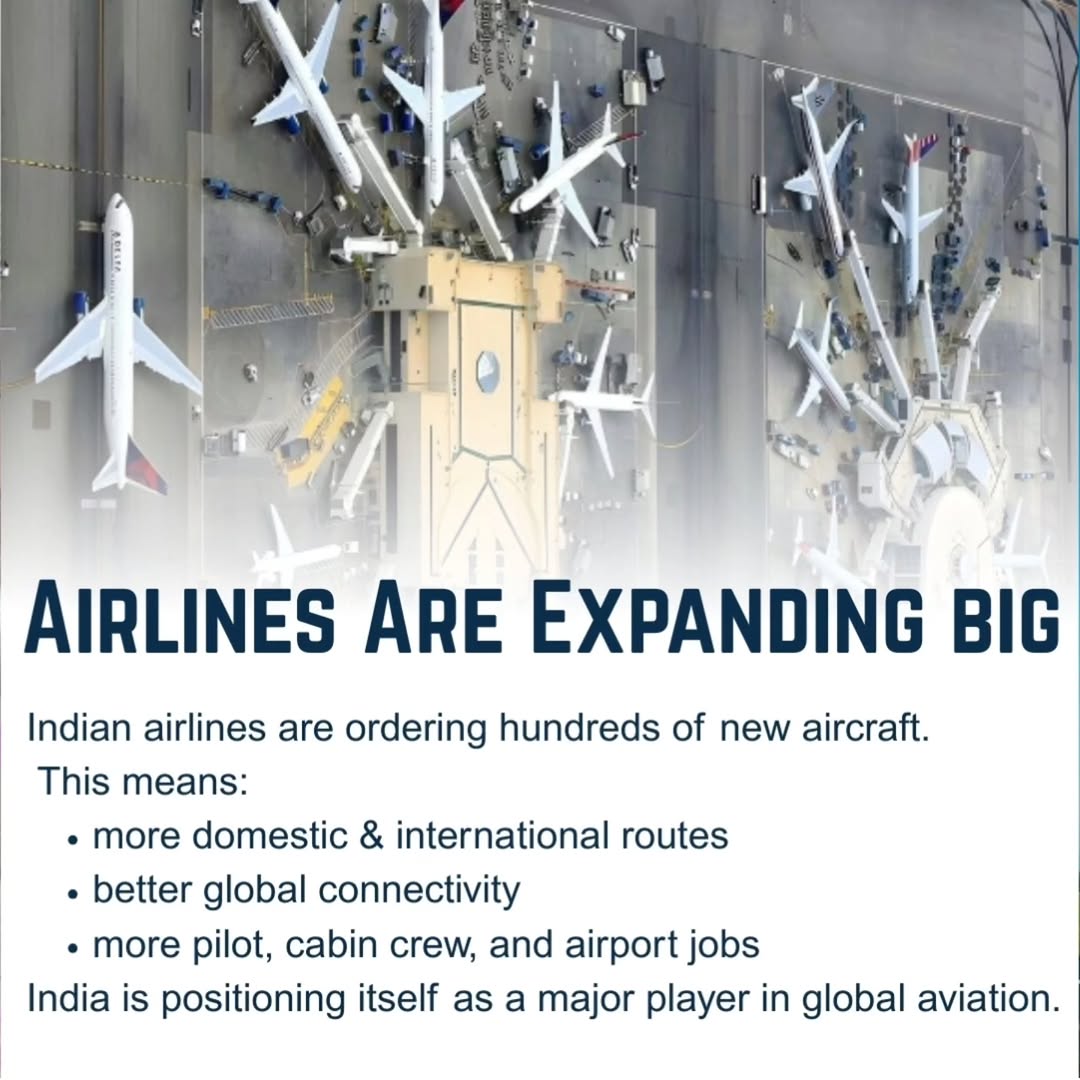
The commercial expansion of airlines and airports creates a powerful economic multiplier effect. When a carrier launches new international or regional routes, it stimulates tourism, trade, and regional development. To support this connectivity, airlines are placing historic aircraft orders, which in turn demands a massive workforce across multiple disciplines.
Career avenues expanding rapidly in this market include:
- Airline Management: Commercial planning, revenue management, fleet strategy, and route development.
- Airport Operations: Terminal management, customer experience design, security coordination, and ground handling operations.
- Aviation Logistics: Air cargo management, cold chain logistics for pharmaceuticals, and e-commerce fulfillment.
- Safety and Compliance: Regulatory affairs, quality assurance, and environmental compliance auditing.
At Dr MGR Aviation Academy, our training and management courses are meticulously designed to bridge the gap between academic theory and industry demands. We ensure our students understand the nuances of route economics, safety protocols, and sustainable operations, positioning them as immediate assets to employers from day one.
Preparing for a Sustainable Career at Dr MGR Aviation Academy
The takeoff of India’s aviation sector is real, and the runway is clear for dedicated professionals. Navigating this dynamic industry requires more than just enthusiasm; it demands rigorous, industry-aligned education. Whether your ambition lies in optimizing airline networks, managing sustainable airport operations, or leading safety initiatives, the right foundation makes all the difference.
As India solidifies its position as a global aviation powerhouse, institutions like Dr MGR Aviation Academy remain committed to shaping the future leaders of the skies. By combining comprehensive curriculum design with practical insights into green aviation and infrastructure growth, we empower our students to soar higher in their professional journeys.
Frequently Asked Questions
What is driving India’s status as a global aviation hub?
India’s status as a global aviation hub is being driven by rapid airport infrastructure expansion, increased route connectivity, airline fleet growth, and a strong strategic focus on green aviation initiatives.
How does Dr MGR Aviation Academy prepare students for industry growth?
Dr MGR Aviation Academy offers comprehensive training and management courses that combine theoretical knowledge with practical insights into airline operations, airport management, and sustainable aviation practices.
What career opportunities are emerging from airport expansion in India?
Rapid airport expansion is creating numerous jobs in terminal management, ground handling, air traffic support, customer experience, aviation logistics, and safety compliance.
Why is green aviation important for future aviation professionals?
Green aviation is critical as the global industry targets net-zero carbon emissions by 2050. Professionals must understand sustainable aviation fuels, carbon accounting, and eco-friendly ground operations to meet modern industry standards.