
Introduction to the Mighty Airbus A350
For aspiring aviation professionals and dedicated aircraft spotters, mastering the art of aircraft identification is a foundational skill. At Dr MGR Aviation Academy, we emphasize a deep understanding of commercial aircraft architecture, aerodynamics, and structural design. Among modern long-haul widebody aircraft, the Airbus A350 stands out as a technological masterpiece. Combining advanced composite materials, ultra-efficient Rolls-Royce Trent XWB engines, and a remarkably quiet cabin, the A350 is a staple of modern international fleets. In this guide, we break down the signature visual characteristics that allow you to instantly recognize an Airbus A350 on the tarmac or in the skies.
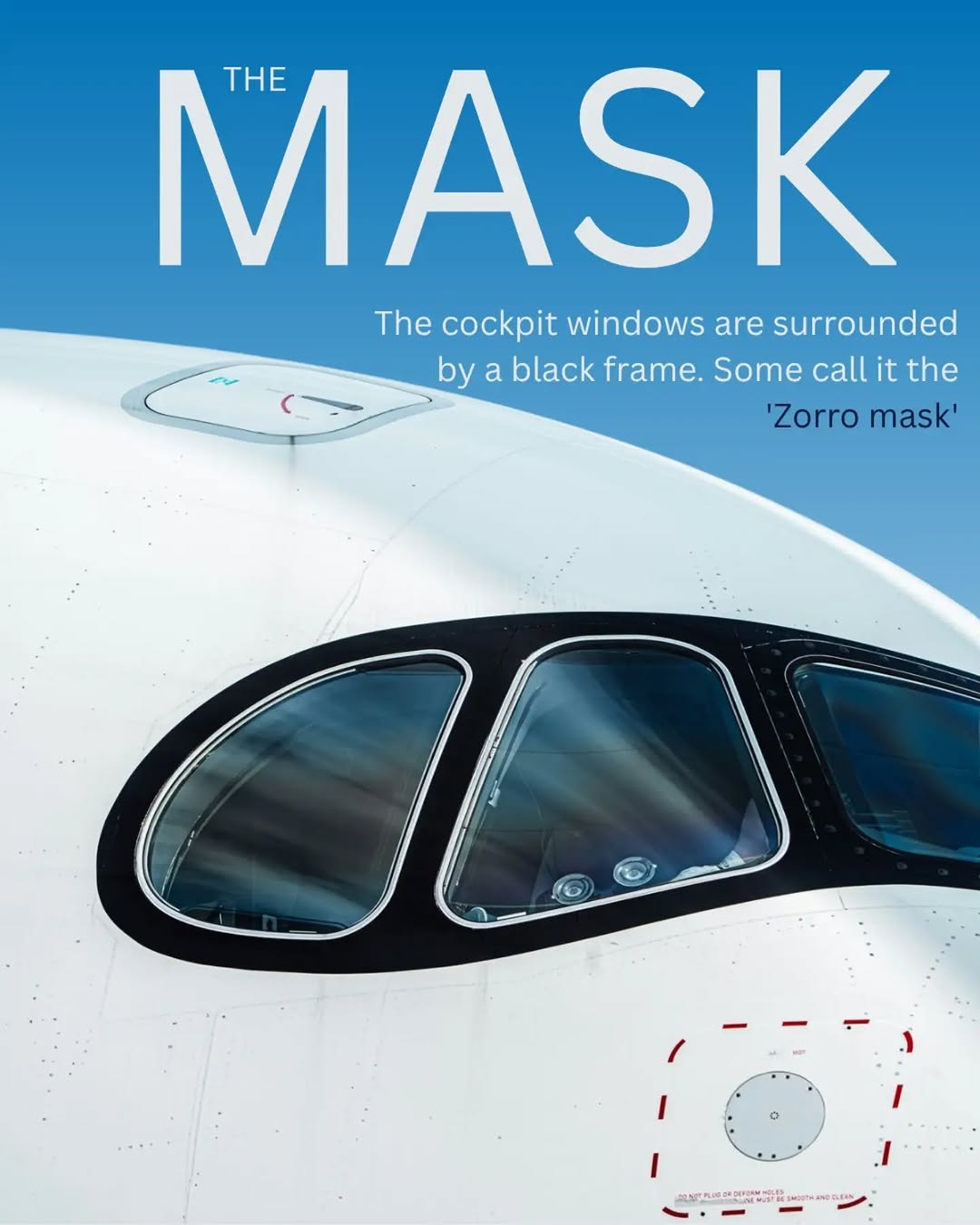
1. The Iconic Cockpit ‘Zorro Mask’
Perhaps the most famous and striking visual identifier of the Airbus A350 is its distinctive cockpit window layout, affectionately nicknamed the ‘Zorro Mask’ or sunglasses design. Unlike older aircraft where cockpit windows blend uniformly into the fuselage paint scheme, the A350 features a stark black painted mask surrounding the six cockpit windshield panels. This clever design is not merely aesthetic; it serves a functional purpose by reducing solar glare for flight crews and streamlining aerodynamic airflow around the nose cone. When scanning a busy international apron, spotting this dark bandit-like mask is your absolute dead giveaway that you are looking at an A350.
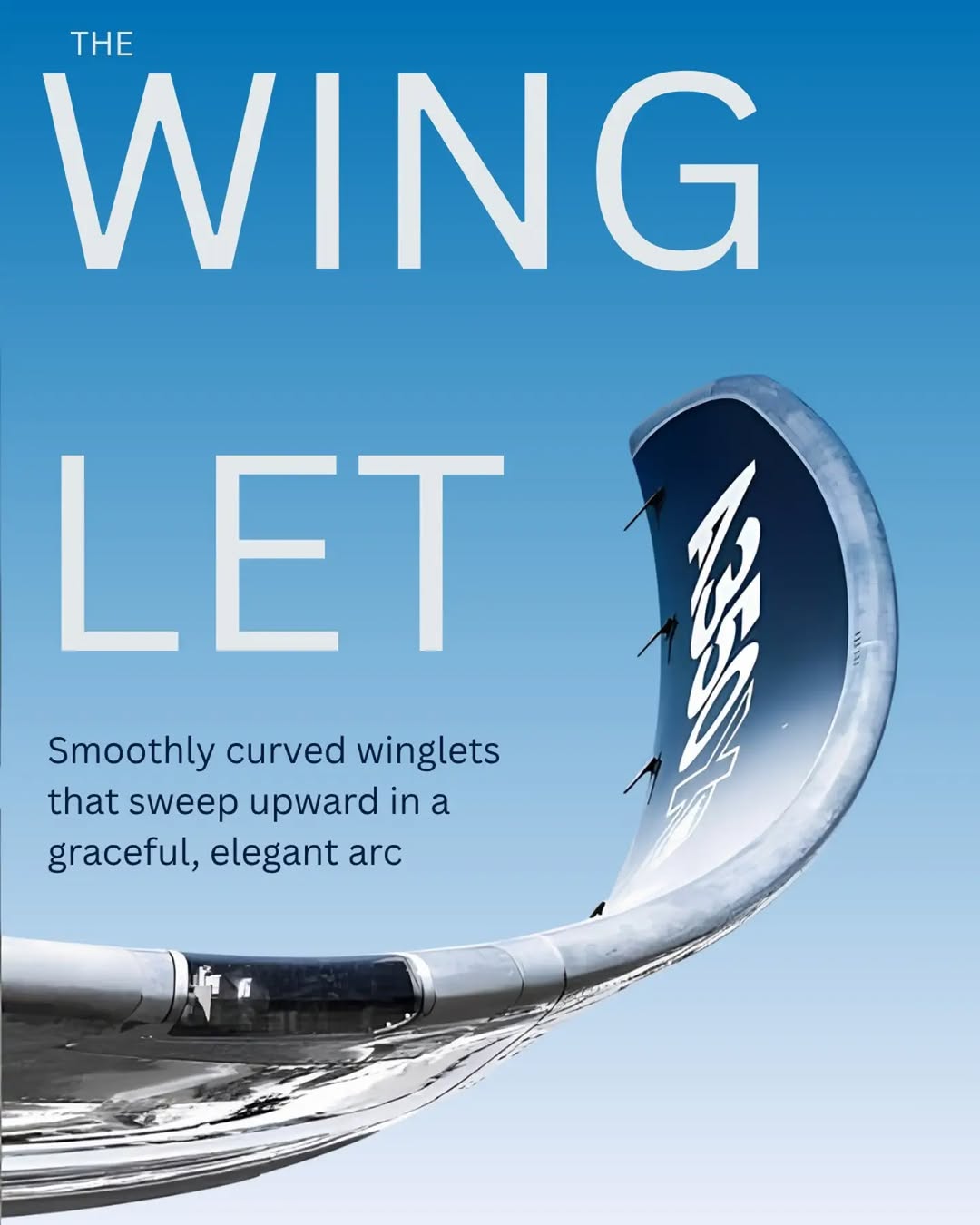
2. Distinctive Curved Winglets and Aerofoil Design
Aerodynamics dictate the sweeping lines of the Airbus A350, most notably its wings. The aircraft features massive, highly curved winglets—often referred to as wingtip devices or scimitar winglets—that smoothly arc upward and outward. These aerodynamic extensions are engineered to reduce wingtip vortices and significantly improve fuel efficiency during long-haul transoceanic flights. Furthermore, the wings of the A350 possess a unique ability to flex dynamically in flight, adapting seamlessly to changing atmospheric loads and maximizing lift.
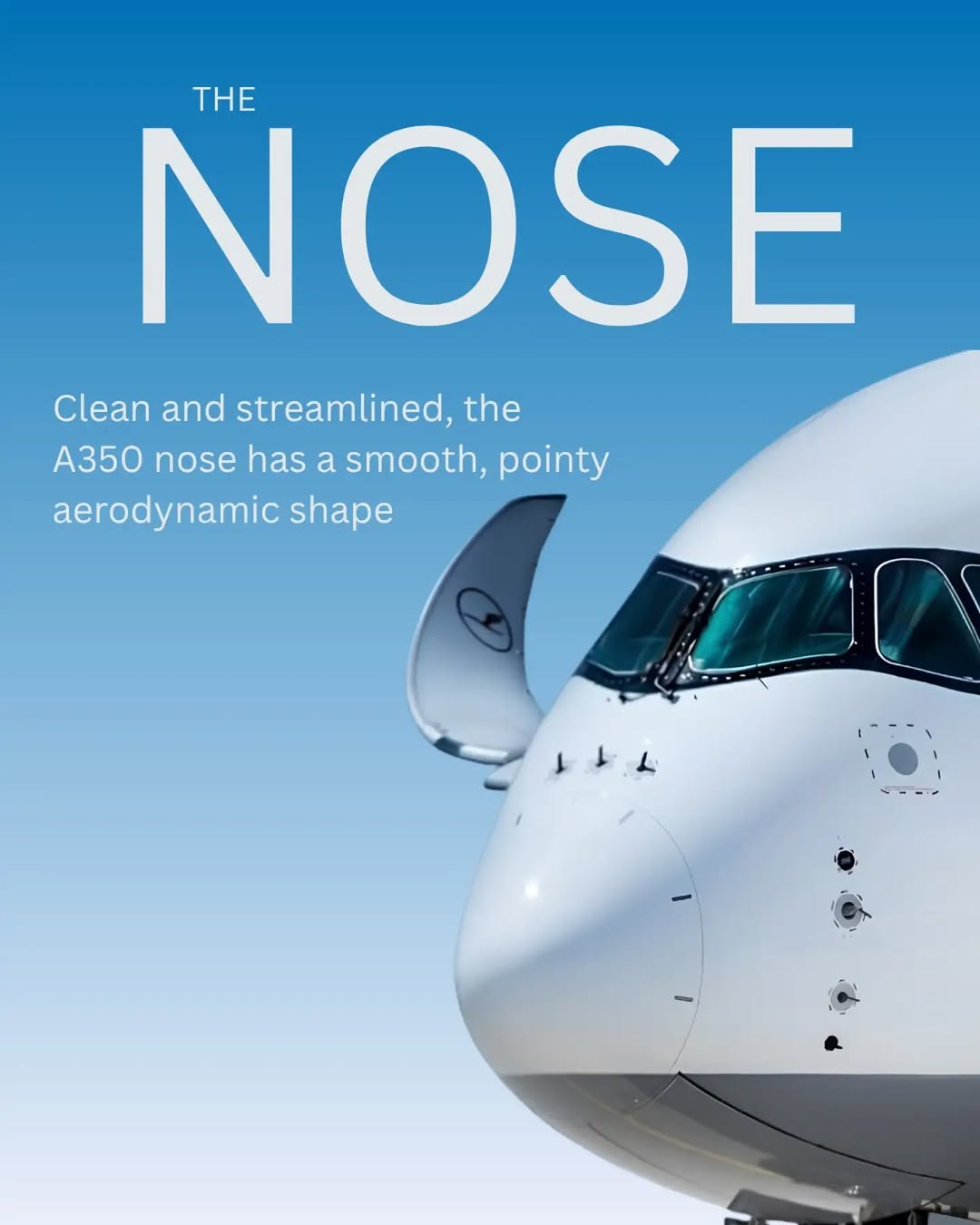
3. The Sleek, Tuned Nose Cone
The nose profile of the Airbus A350 has been meticulously sculpted for optimal aerodynamic performance. Compared to its predecessors, the A350 nose is notably rounded and smoothly transitions into the forward fuselage without abrupt angles. This advanced contouring reduces drag and optimizes internal space for the flight deck avionics bay and weather radar equipment. For aviation students learning aircraft recognition, studying the subtle curvature of the A350 nose helps differentiate it from direct competitors like the Boeing 787 Dreamliner.
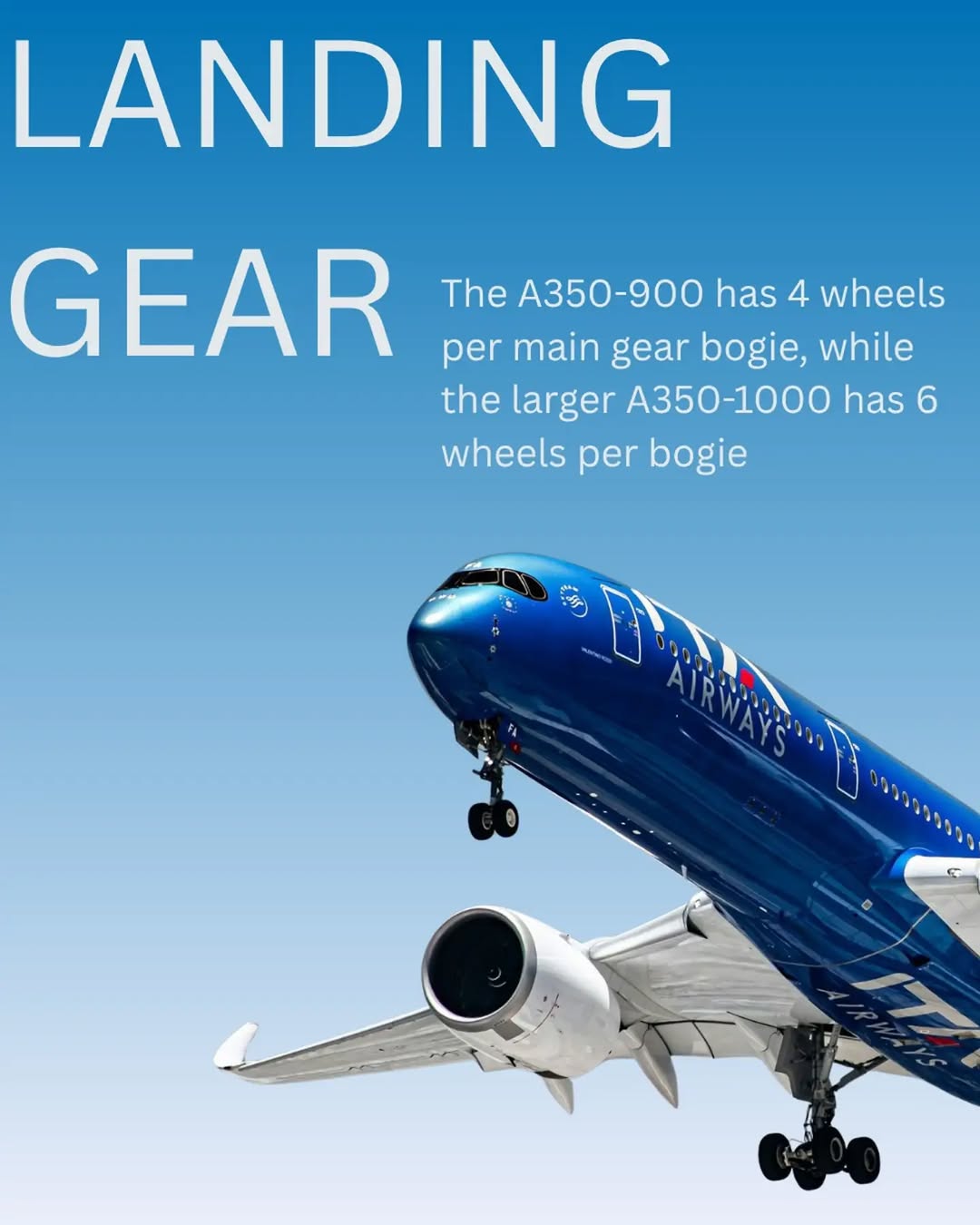
4. Main Landing Gear and Wheel Configuration
Looking beneath the aircraft reveals another crucial identifier. The Airbus A350 family comes in two primary variants—the A350-900 and the larger A350-1000. While the A350-900 utilizes a four-wheel bogie main landing gear on each side, the stretched A350-1000 steps up to a heavy-duty six-wheel bogie landing gear per side to safely distribute its heavier maximum takeoff weight. Observing the number of wheels on the main gear is an expert-level technique used by professional spotters to distinguish between the various sub-types of this magnificent widebody airliner.
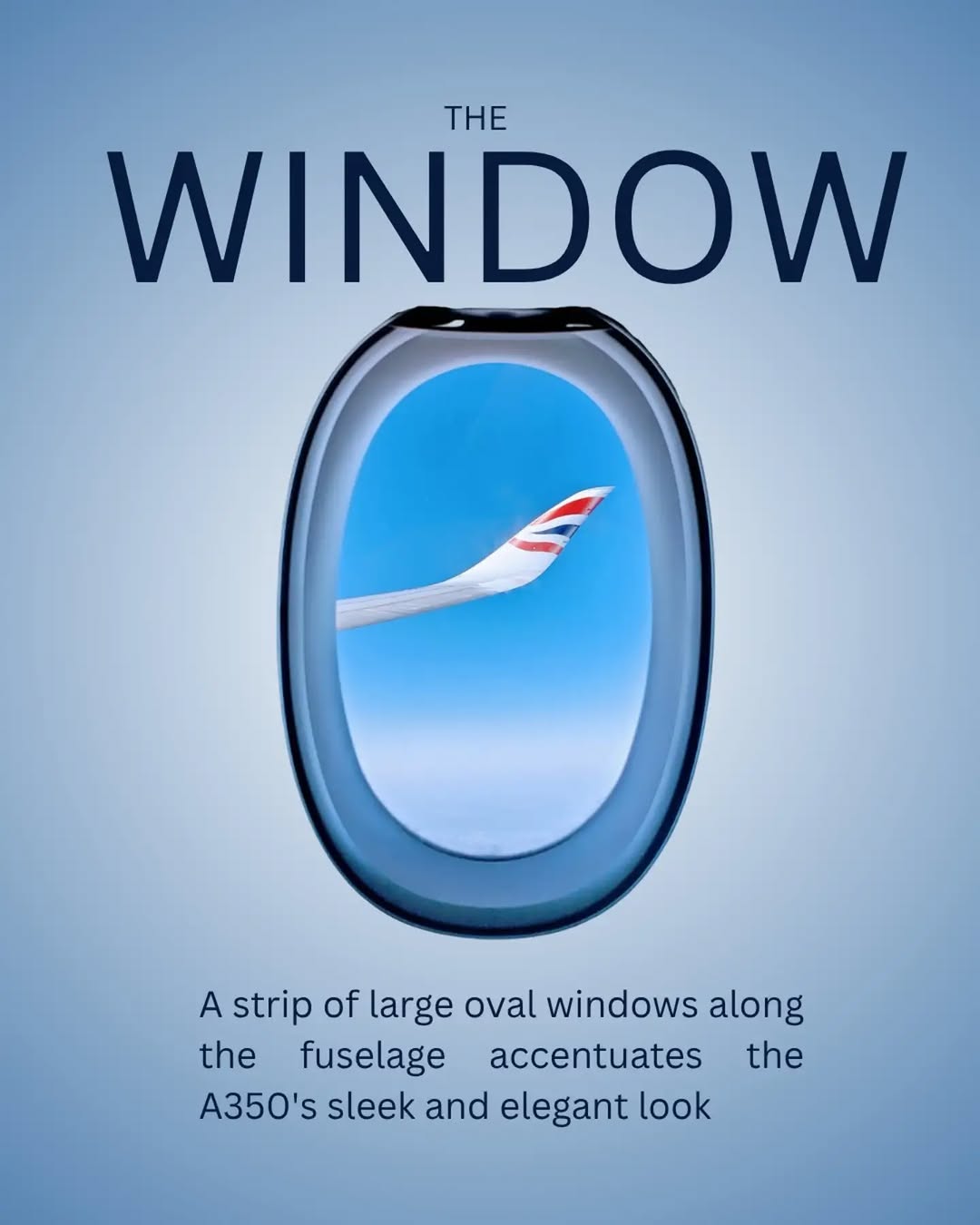
5. Passenger Windows and Cabin Cross-Section
Step back and observe the fuselage proportions. The A350 features a wide cabin cross-section designed around the Airbus Airspace cabin concept. The passenger windows are notably large, rectangular with softly rounded corners, and spaced evenly along the fuselage. Because the cabin is wider than traditional aircraft of its class, airlines can configure comfortable nine-abreast or even ten-abreast seating without sacrificing passenger personal space. The upward-curving sidewalls inside the cabin match the exterior structural integrity, providing structural strength while minimizing overall aircraft weight through extensive use of carbon-fiber-reinforced polymers (CFRP).
Advance Your Career with Dr MGR Aviation Academy
Recognizing aircraft types like the Airbus A350 is just the beginning of a thrilling journey into the global aviation sector. Whether you aspire to be an aeronautical engineer, an airport operations manager, or an airline executive, foundational knowledge of aircraft design is invaluable. Located in Chennai, India, Dr MGR Aviation Academy offers comprehensive training and management courses tailored to meet the rigorous demands of the modern aviation industry. Our curriculum blends theoretical aeronautical knowledge with practical insights, preparing you for leadership roles across airlines and aviation enterprises worldwide.
Ready to take your passion for aviation to professional new heights? Connect with us today to explore our specialized programs.
Contact Us:
Phone: +91 99403 36699 | +91 78239 44325
Website: www.drmgraviation.com | www.drmgrdu.ac.in
Frequently Asked Questions
What is the easiest way to identify an Airbus A350?
The easiest way to identify an Airbus A350 is by looking at its cockpit windows, which feature a distinct black painted ‘Zorro mask’ design that reduces glare and enhances aerodynamics.
What are the main variants of the Airbus A350?
The two primary commercial variants are the A350-900 and the larger A350-1000, which can be distinguished by fuselage length and main landing gear wheel configurations.
Why do A350 wings have curved winglets?
The large curved winglets reduce aerodynamic drag and wingtip vortices, significantly improving fuel efficiency during long-haul flights.
What courses does Dr MGR Aviation Academy offer?
Dr MGR Aviation Academy offers professional training and management courses tailored specifically for careers in the global aviation and aerospace sectors.
Where is Dr MGR Aviation Academy located?
Dr MGR Aviation Academy is based in Chennai, India, providing world-class education and career guidance for aspiring aviation professionals.