
A New Era for Indian Aerospace Engineering
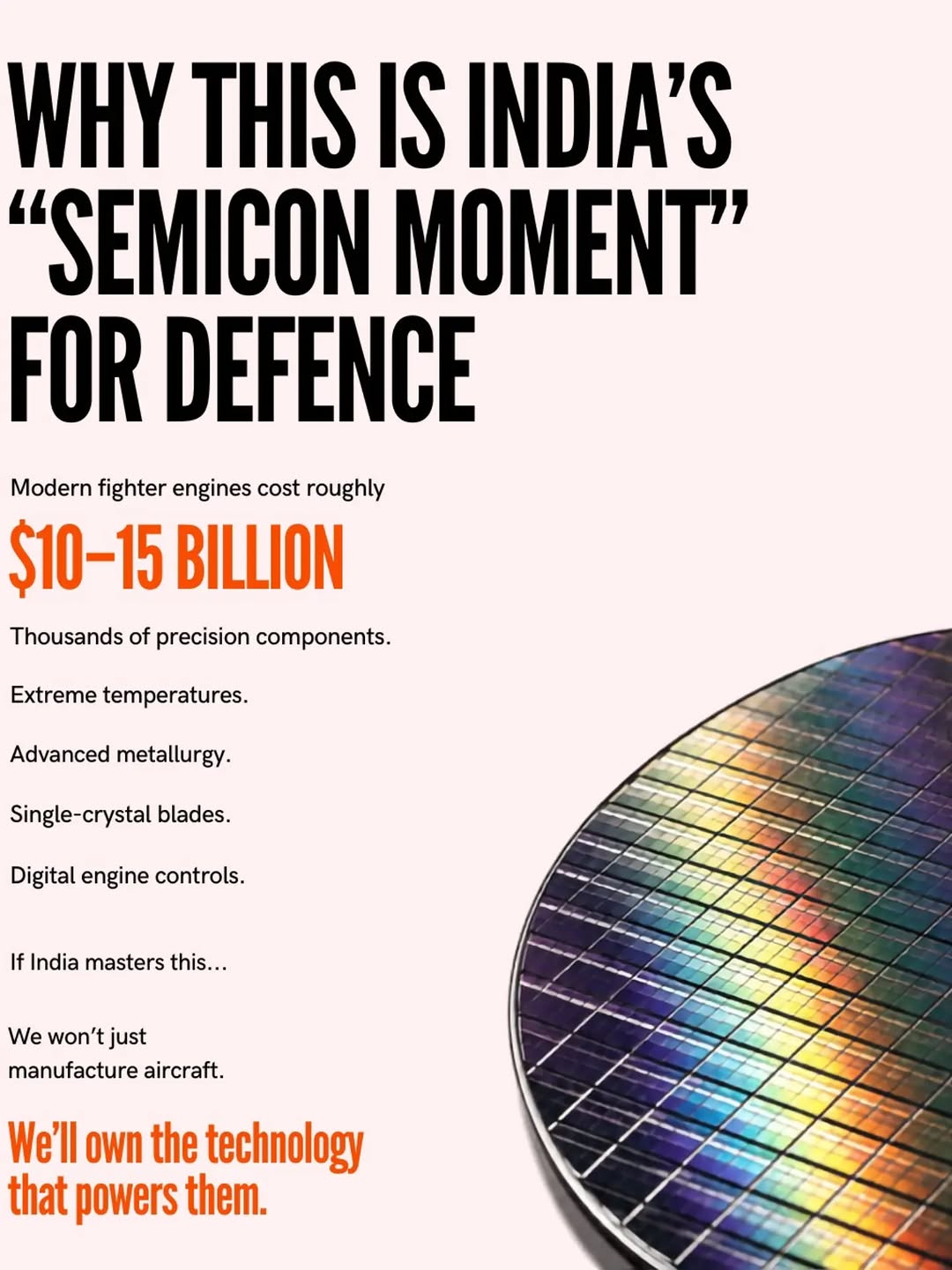
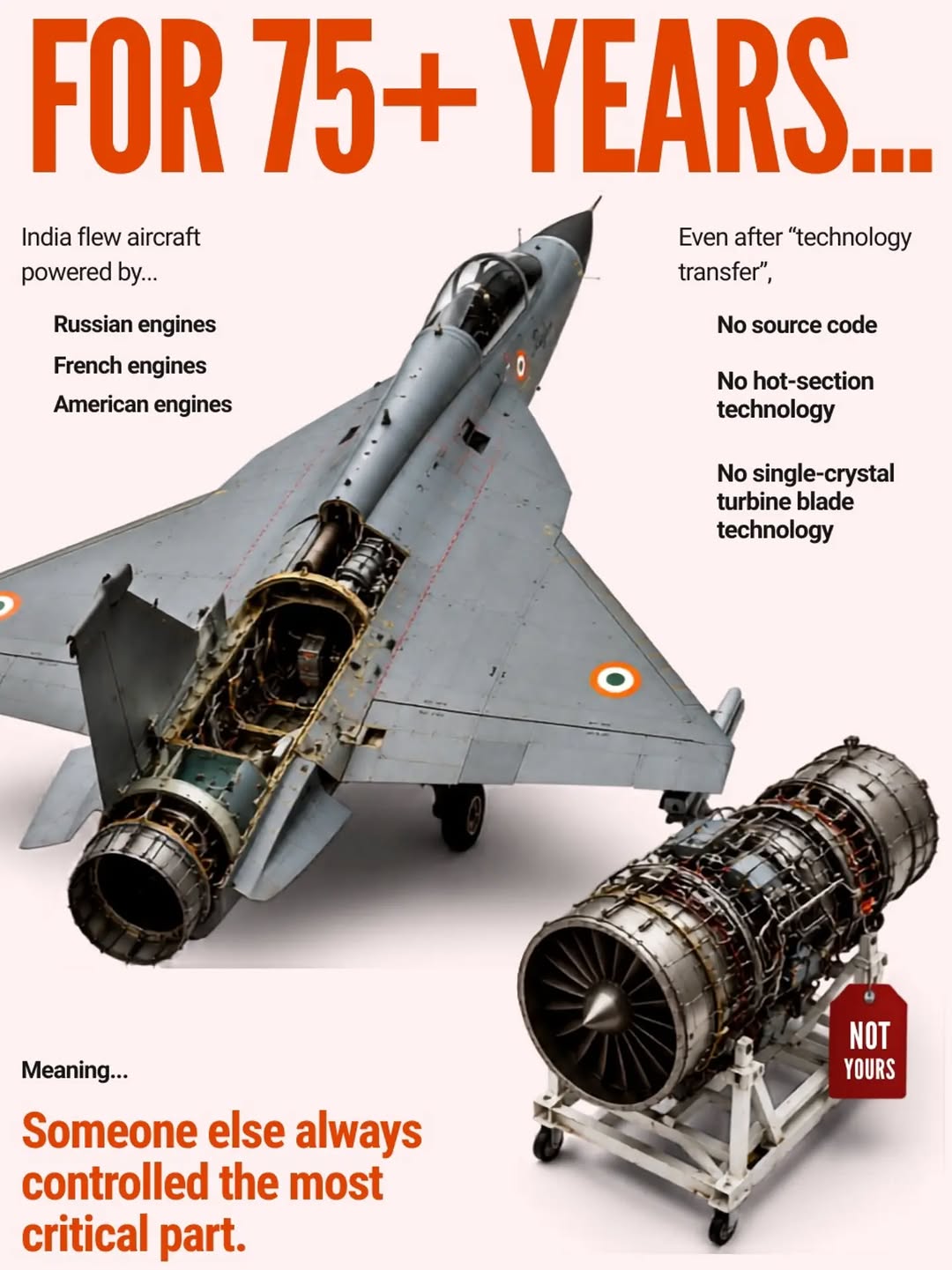
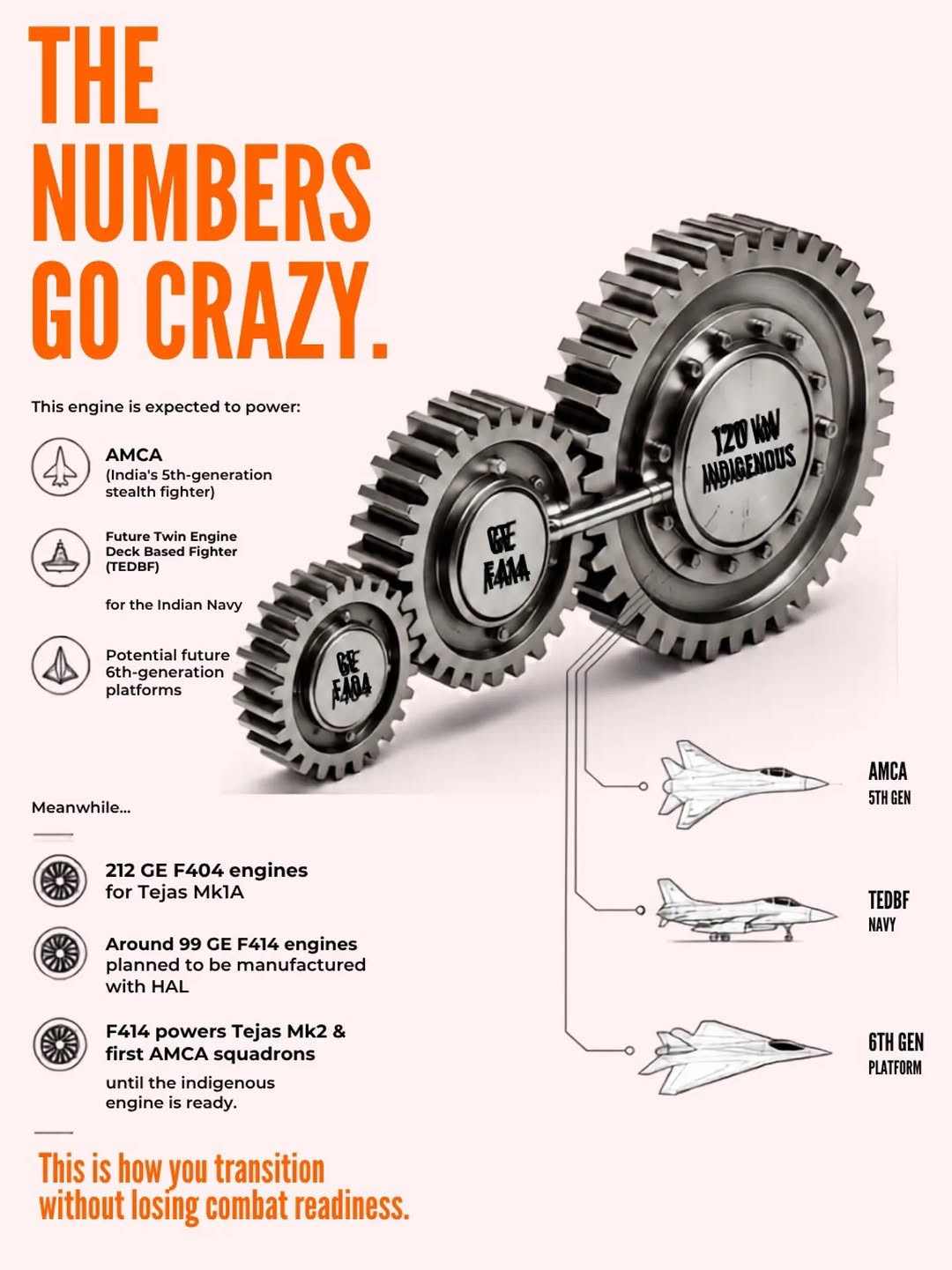
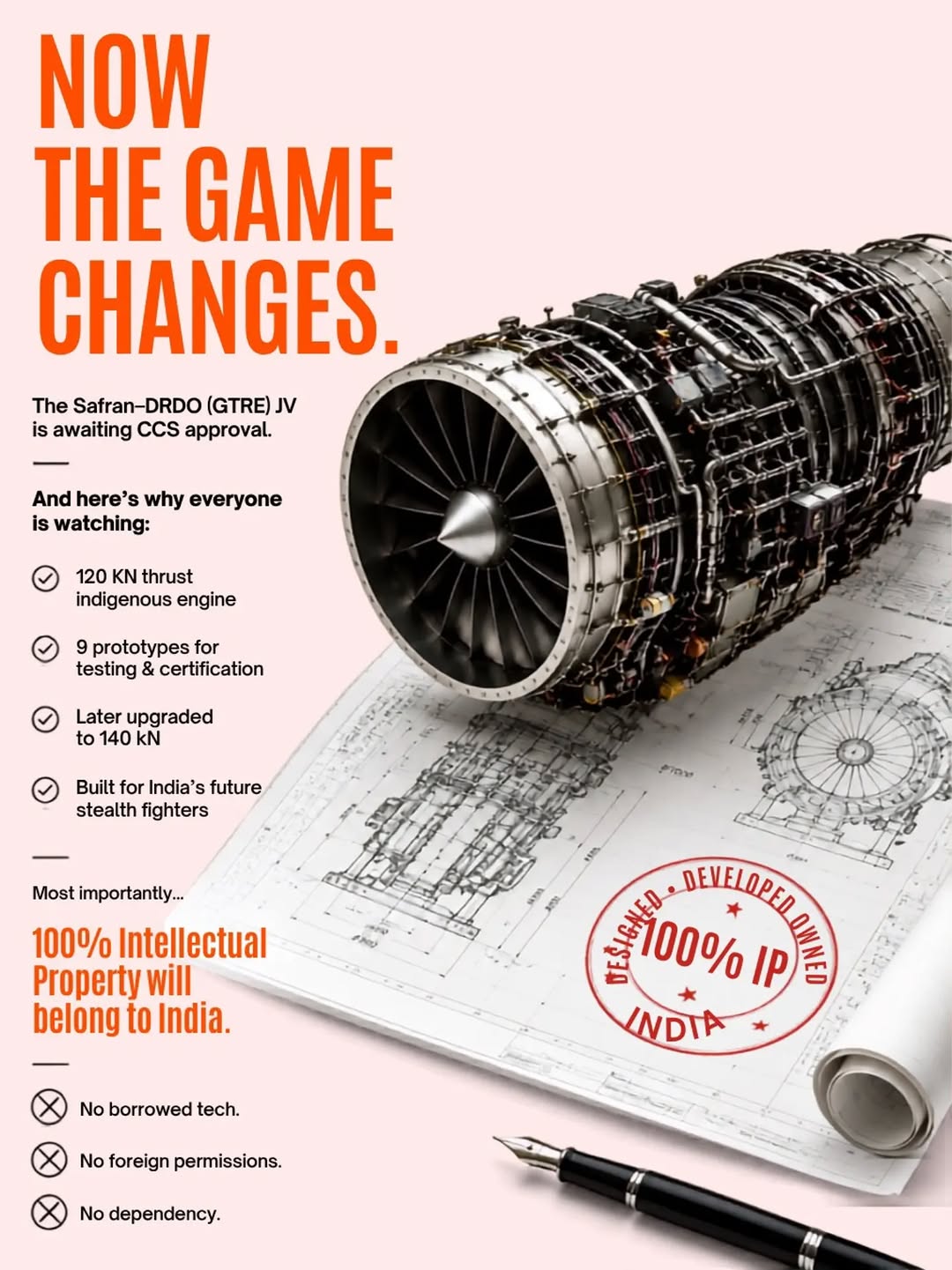
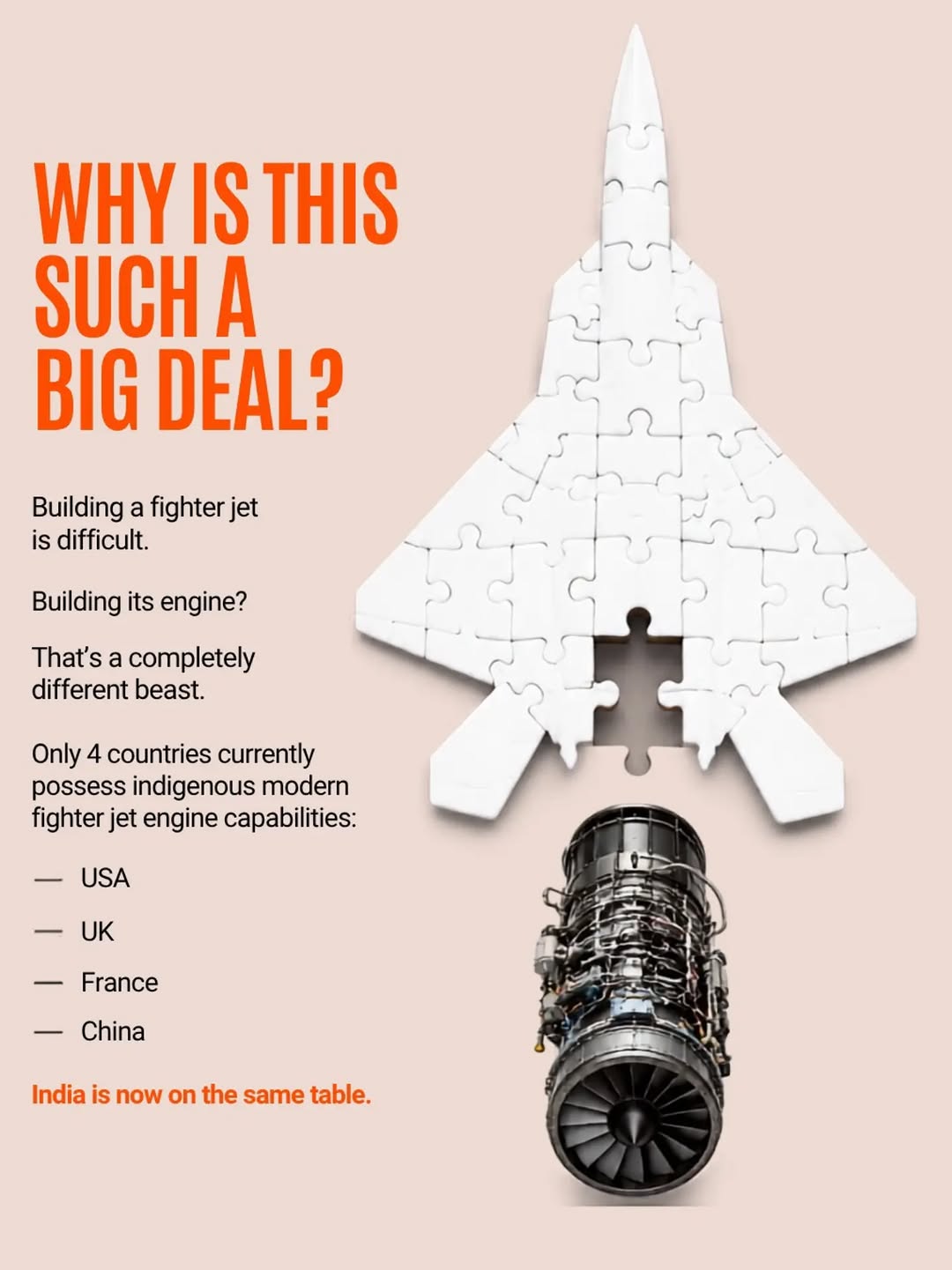
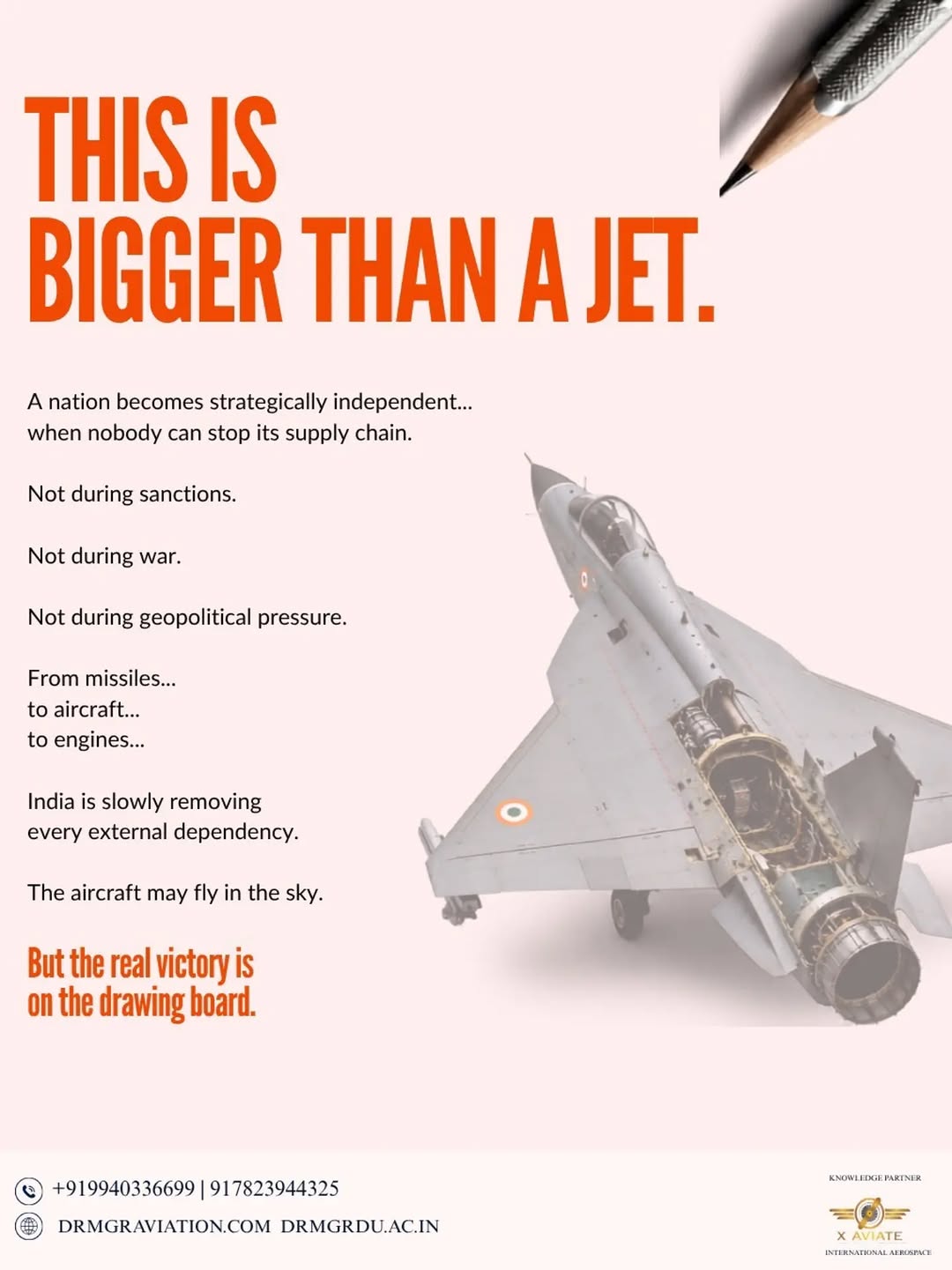
At Dr MGR Aviation Academy, we continuously monitor the macroeconomic and technological shifts transforming the global and domestic aviation sectors. Recently, our official updates highlighted a monumental milestone for the nation: India is no longer just assembling and flying advanced fighter jets; it is engineering the very technology that powers them. For decades, the most critical and complex component of high-performance military aircraft—the aero-engine—depended heavily on foreign original equipment manufacturers (OEMs). Today, strategic self-reliance in aerospace engineering is shifting from an ambitious vision to an operational reality.
Understanding this transition is essential for every aspiring aerospace engineer, pilot, and aviation management professional training at our Chennai campus. Aviation technology is evolving at a breakneck speed, and the future belongs to professionals who understand not just how to operate aircraft, but the foundational mechanics, material sciences, and propulsion systems driving modern flight.
The Engineering Marvel of Modern Fighter Engines
Building a fighter engine is widely considered one of the pinnacle achievements of modern engineering. Operating under extreme temperatures that often exceed the melting point of standard metal alloys, fighter engines require breakthrough advancements in material science and thermal management. At the heart of this technological revolution are single-crystal turbine blades and advanced ceramic matrix composites (CMCs).
Traditional metal casting results in grain boundaries that can weaken under extreme centrifugal stress and heat. Single-crystal blades, however, are grown as a single, continuous crystal lattice, virtually eliminating grain boundaries and drastically increasing thermal tolerance and durability. Mastering this advanced metallurgy within domestic borders means Indian aerospace facilities can design, test, and manufacture powerplants capable of enduring supersonic flight and high-G maneuvers.
Why Indigenous Technology Matters for the Future
Achieving technological sovereignty in aerospace engineering carries profound implications for India’s strategic autonomy and economic growth:
- Supply Chain Resilience: Domestic manufacturing ensures that defense and commercial aviation programs are insulated from geopolitical supply chain disruptions and foreign export controls.
- Cost Efficiency and Lifecycle Management: Designing engines locally drastically reduces the cost of maintenance, overhaul, and technology upgrades over the multi-decade lifecycle of an aircraft fleet.
- Research and Development Ecosystem: A robust domestic manufacturing base fuels high-value employment for aerospace engineers, technicians, and specialized researchers, retaining top-tier engineering talent within India.
Career Opportunities in Aerospace and Aviation Management
This rapid shift toward self-reliance creates unprecedented career opportunities for graduates from specialized institutions like Dr MGR Aviation Academy. The demand for skilled professionals who understand aerospace manufacturing, quality assurance, engine maintenance, and supply chain logistics is soaring. Global aerospace giants and domestic defense enterprises are actively expanding their footprints in India, creating a high-demand market for qualified talent.
Whether your career path leads you into the cockpit as a commercial or military aviator, or behind the scenes as an aeronautical engineer and aviation manager, understanding propulsion technology and structural integrity is invaluable. Modern aviation management professionals must also navigate the complex economics of indigenous defense procurement, offset policies, and international aerospace partnerships.
Training the Next Generation at Dr MGR Aviation Academy
Located in Chennai, Dr MGR Aviation Academy remains committed to bridging the gap between theoretical education and real-world industrial demands. Our curriculum is designed to keep students abreast of cutting-edge developments, from digital twin technology and advanced avionics to the latest breakthroughs in propulsion engineering highlighted across our official academic channels.
As India charts its course toward complete technological self-reliance in the skies, the drawing boards of today will dictate the air superiority of tomorrow. By choosing a rigorous, industry-aligned education at Dr MGR Aviation Academy, you position yourself at the forefront of this aerospace renaissance. Stay connected with our official updates, master the intricacies of modern aviation technology, and prepare to build a high-flying career in the global aviation sector.
Frequently Asked Questions
What courses does Dr MGR Aviation Academy offer?
Dr MGR Aviation Academy offers specialized training and management courses tailored for the aviation and aerospace industries, focusing on operational excellence and modern technology.
Why is indigenous fighter engine technology important for India?
Indigenous engine technology ensures strategic self-reliance, reduces dependency on foreign OEMs, lowers long-term maintenance costs, and strengthens the domestic aerospace R&D ecosystem.
What are single-crystal turbine blades?
Single-crystal turbine blades are advanced components grown as a single continuous crystal lattice, eliminating grain boundaries to withstand extreme temperatures and stress inside fighter engines.
How does Dr MGR Aviation Academy prepare students for modern aerospace careers?
The academy provides a rigorous, industry-aligned curriculum that combines foundational aviation theory with real-world insights into emerging technologies like advanced propulsion and aerospace manufacturing.