
Looking Beyond the Flight Deck
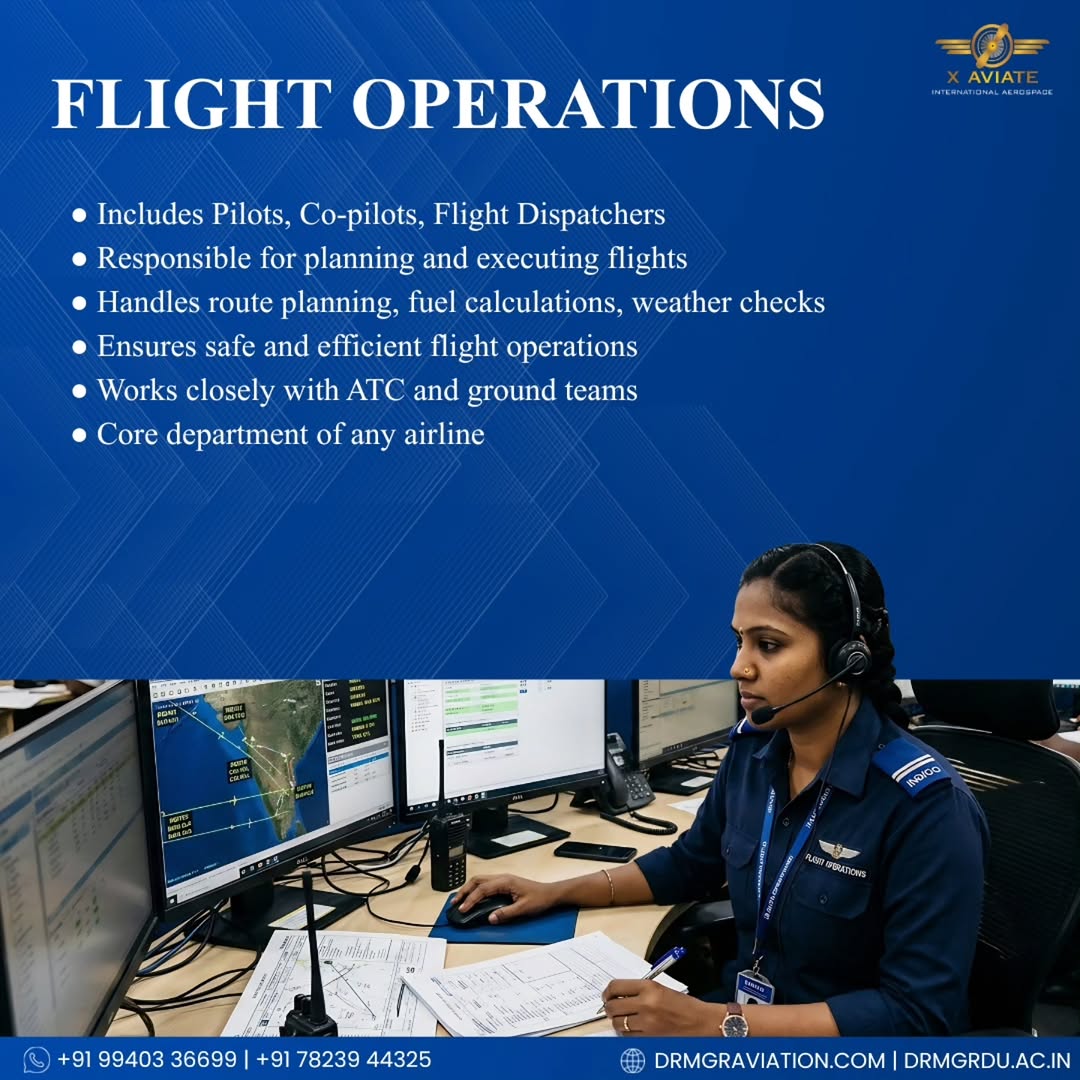
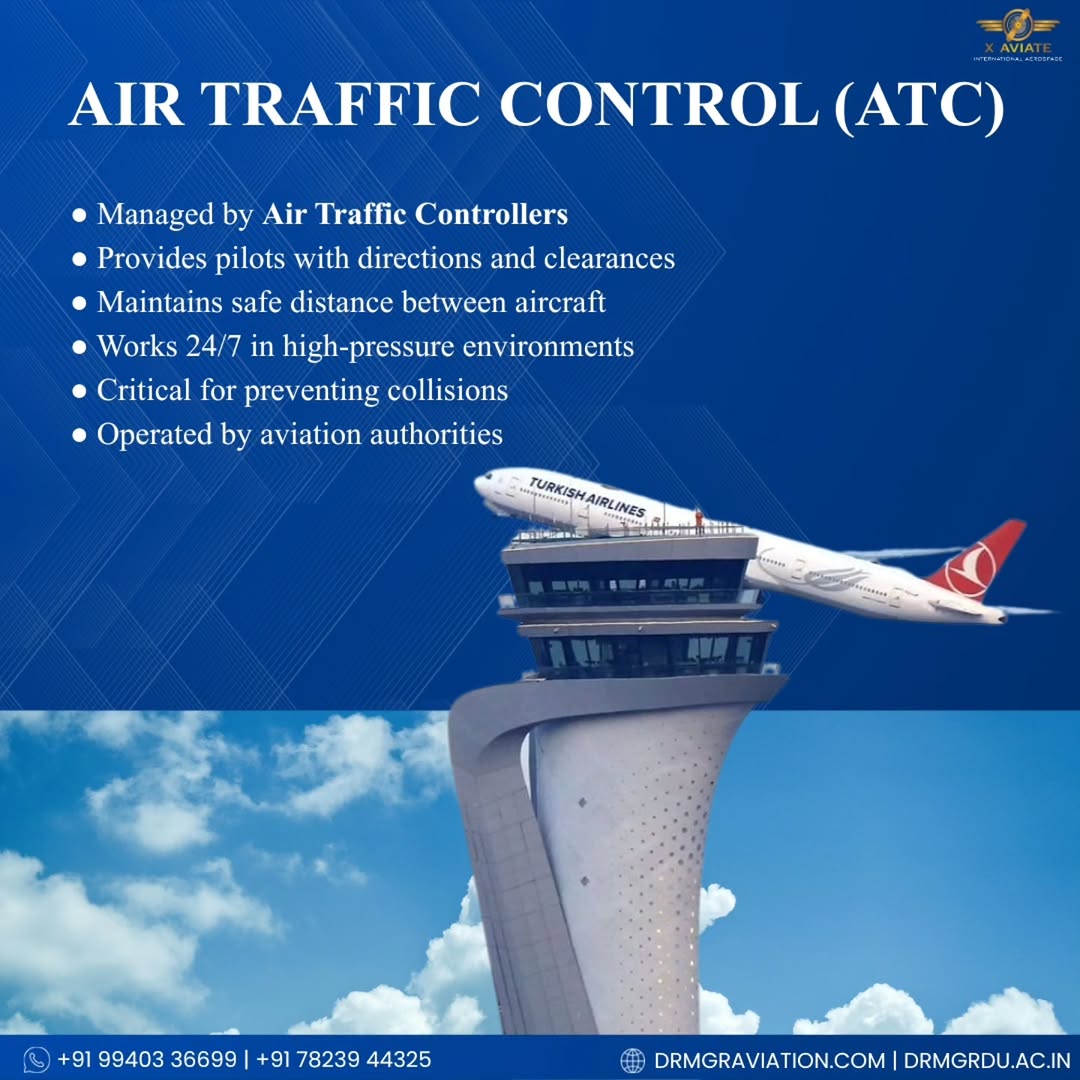
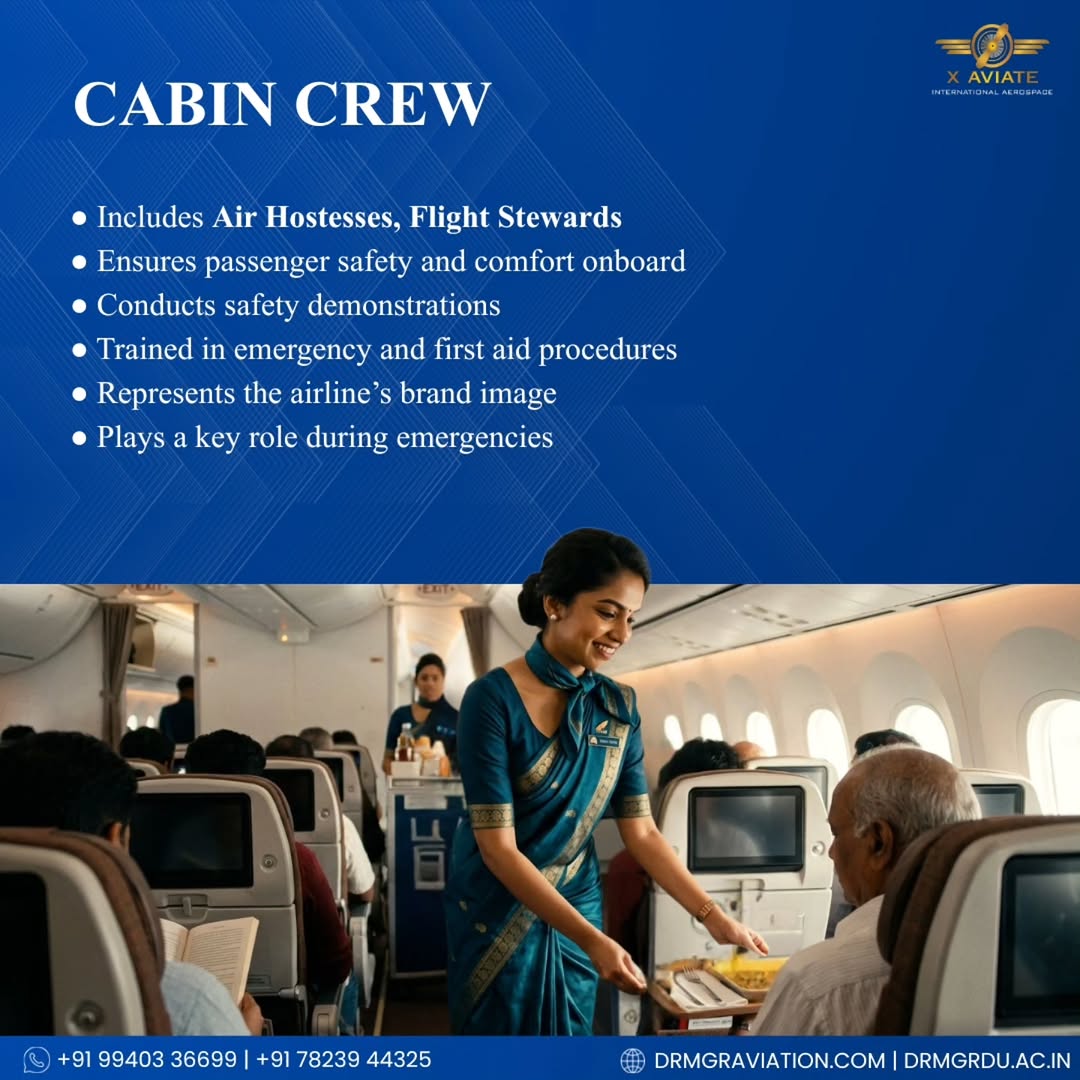
When most people picture the aviation industry, their minds immediately drift to the flight deck. They envision captains and first officers navigating through the clouds, communicating with air traffic control, and landing massive commercial aircraft on distant runways. While pilots certainly serve as the public face of global aviation, they represent only one piece of a remarkably complex puzzle. Behind every successful, on-time flight is a vast network of highly specialized departments working in seamless coordination.
At Dr MGR Aviation Academy, we believe that understanding the full scope of the industry is essential for aspiring professionals. Whether your passion lies in cutting-edge technology, organizational leadership, or rigorous safety protocols, the aviation sector offers a diverse array of dynamic, high-paying career paths. Let us examine the vital ground-support and technical domains that keep global flight operations moving forward.
Aerospace & Avionics: The High-Tech Engine
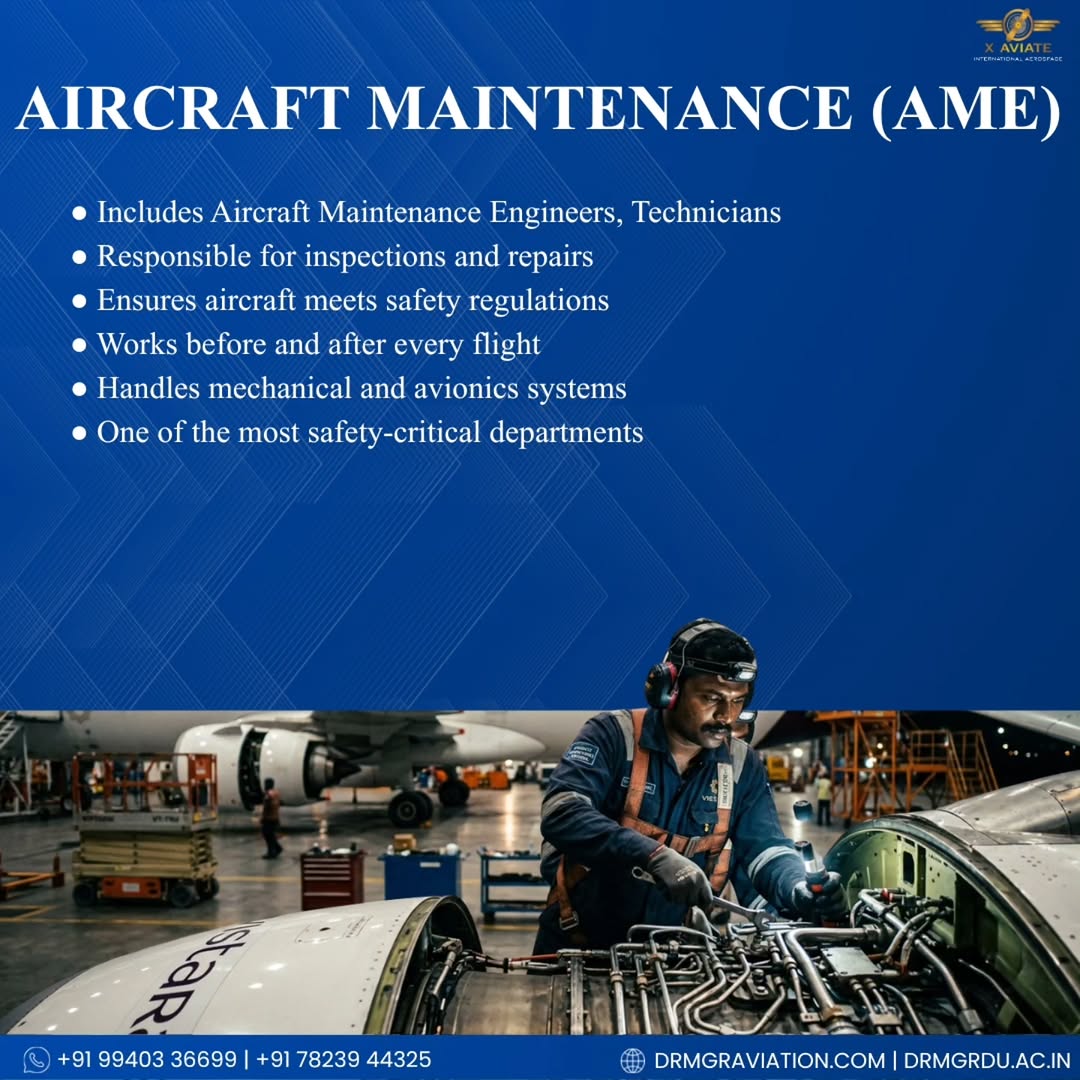
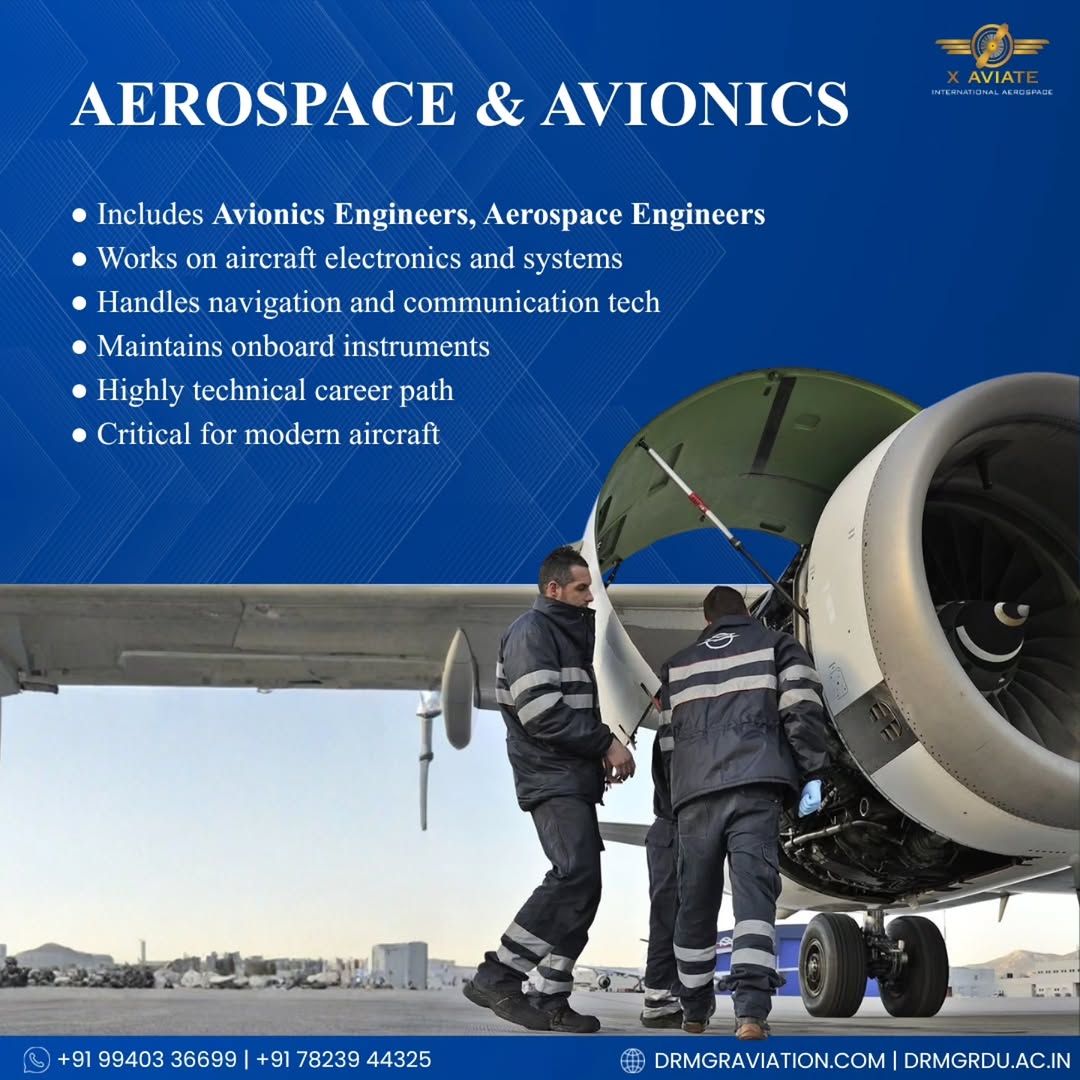
Modern aircraft are masterpieces of engineering, relying on sophisticated electronic systems, advanced propulsion units, and lightweight composite materials. The aerospace and avionics sectors form the technological backbone of modern flight. Professionals in this field design, manufacture, test, and maintain the complex hardware and software systems that govern aircraft navigation, communication, and flight control.
Avionics technicians and aerospace engineers are tasked with ensuring that radar systems, autopilot units, and flight management computers operate with absolute precision. A single malfunction can compromise a mission, making the rigorous technical training provided by specialized educational institutions indispensable. Students enrolled in our technical programs gain hands-on experience with modern diagnostic tools, preparing them to tackle the engineering challenges of the next generation of commercial and cargo aircraft.
Aviation Security: Vigilance in the Skies
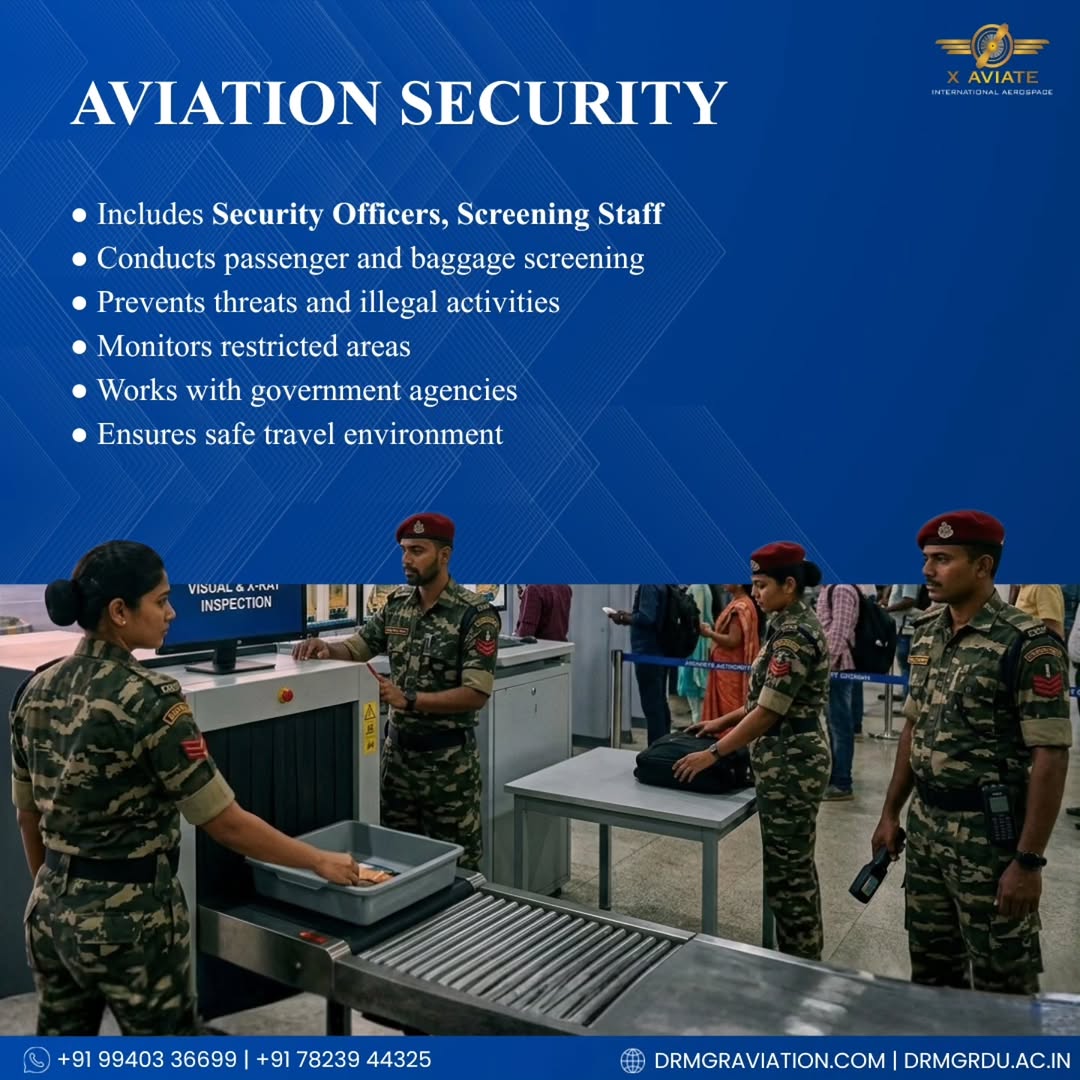
In an interconnected global economy, the security of passengers, crew members, and physical infrastructure is paramount. Aviation security is a discipline defined by vigilance, strict regulatory compliance, and rapid crisis response. Professionals in this sector design and implement comprehensive security protocols that protect airports, aircraft, and cargo facilities from emerging threats.
From managing advanced screening technologies to coordinating international counter-terrorism standards with bodies like the International Civil Aviation Organization (ICAO), security experts safeguard the integrity of the entire supply chain. Training in aviation security encompasses threat assessment, crisis management, passenger profiling, and regulatory frameworks. It is a career path that demands sharp analytical skills and an unyielding commitment to public safety.
Aviation Management: Orchestrating Global Operations
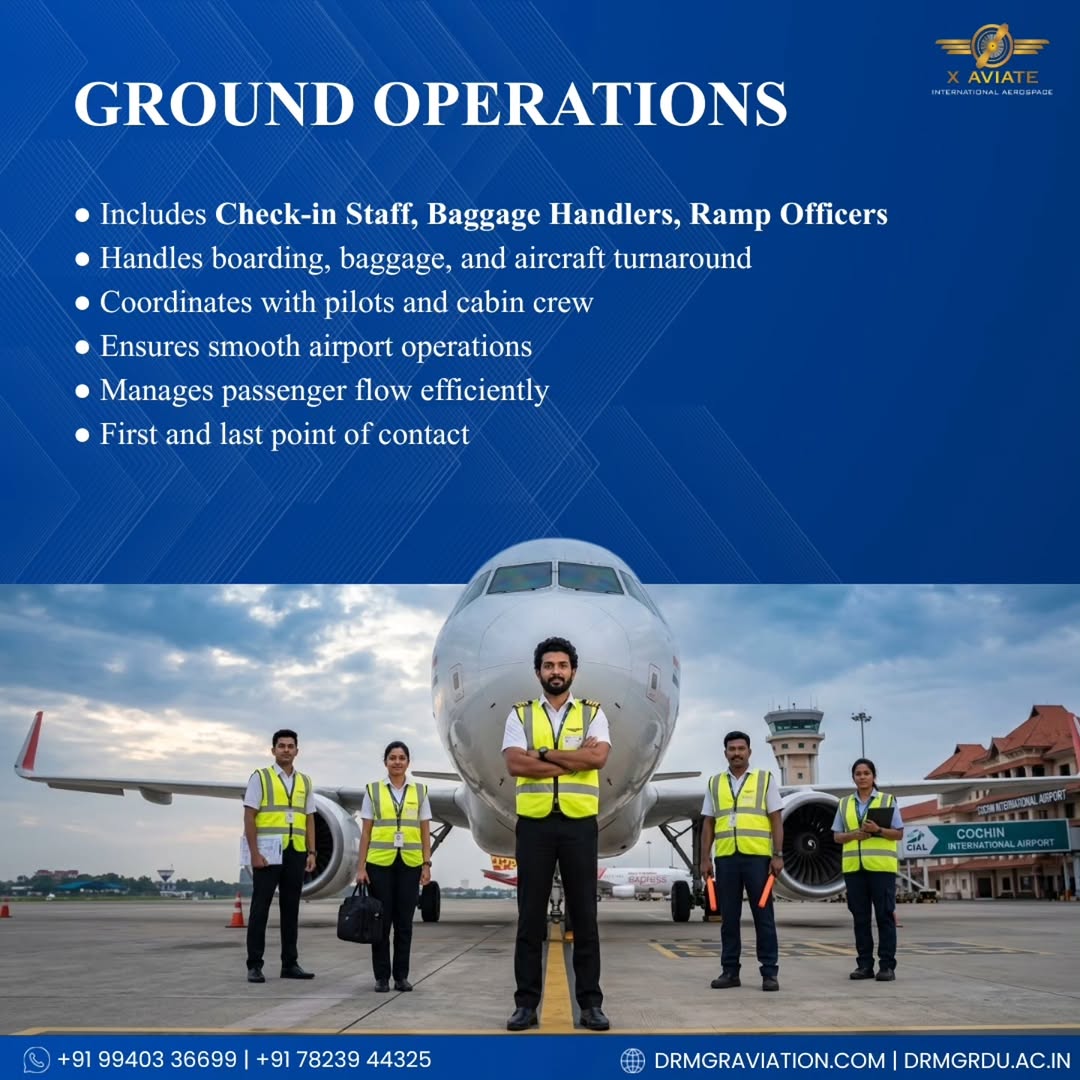
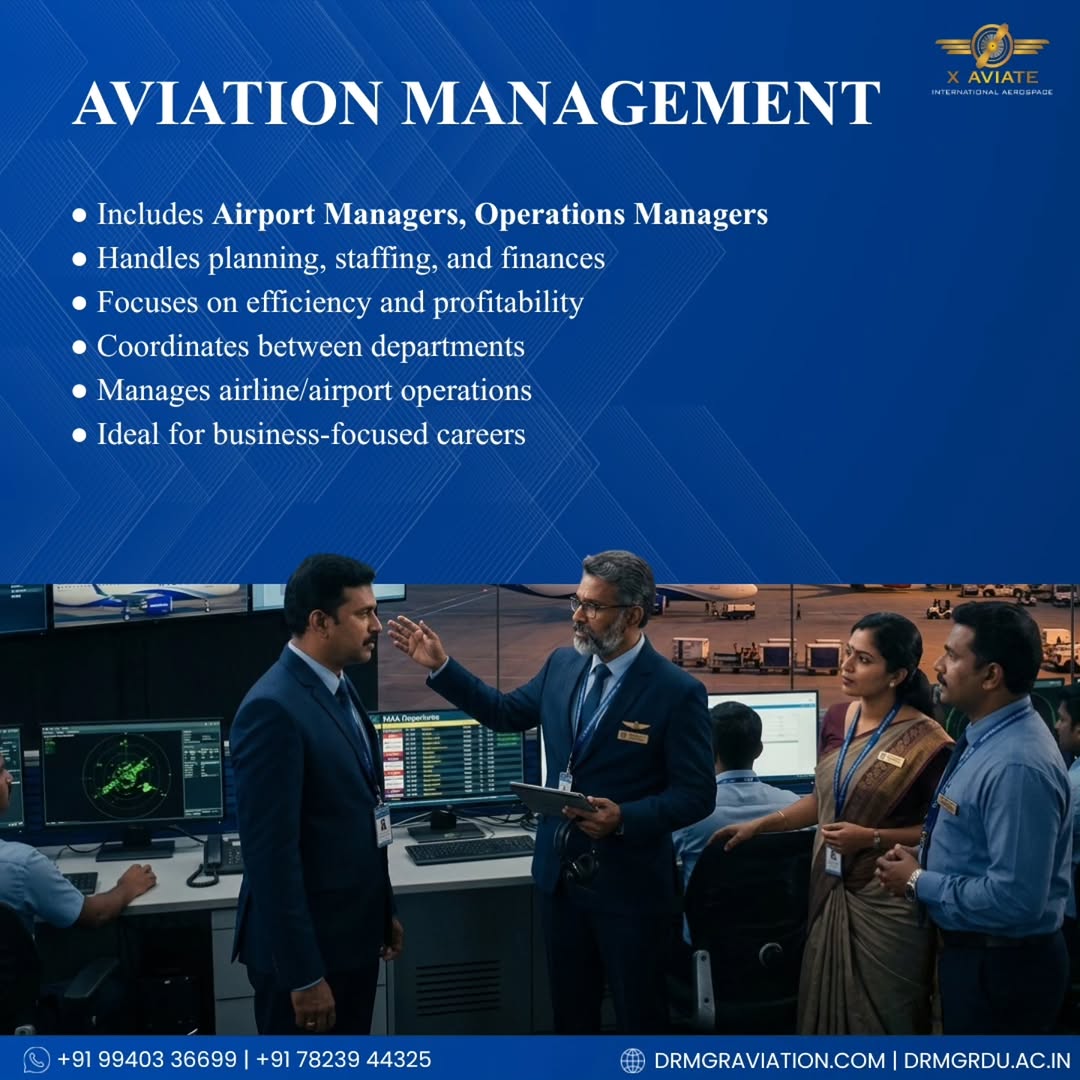
While engineers build aircraft and security teams protect them, aviation management professionals ensure that the business engine runs profitably and efficiently. Managing an airline or a major international airport requires a unique blend of business acumen, operational logistics, and strategic foresight. Airport managers oversee daily terminal operations, ground handling, slot allocation, and customer service standards, while airline executives focus on route planning, fleet acquisition, and financial forecasting.
The rapid expansion of global air travel has created an unprecedented demand for skilled managers who understand the nuances of international aviation law, economics, and human resource management. Programs focused on aviation management equip students with the leadership capabilities required to navigate fluctuating fuel prices, regulatory shifts, and competitive market pressures. By mastering these competencies, graduates position themselves for executive roles within global carriers, airport authorities, and aerospace corporations.
Building Your Future with Dr MGR Aviation Academy
The aviation industry is on the cusp of a transformative era, driven by technological innovations, sustainable fuel initiatives, and surging passenger demand. Entering this dynamic field requires more than just enthusiasm; it demands structured education, practical training, and mentorship from industry veterans.
At Dr MGR Aviation Academy, our curriculum is meticulously designed to bridge the gap between academic theory and practical application. We offer specialized courses across avionics, safety management, and aviation administration, ensuring our graduates possess the multidisciplinary expertise demanded by top-tier employers. The cockpit may guide the aircraft through the sky, but the dedicated professionals across every ground department ensure the journey is possible. Choose your path, build your expertise, and launch your career with us today.


Frequently Asked Questions
What career paths are available at Dr MGR Aviation Academy?
Dr MGR Aviation Academy offers specialized training programs in aviation management, aerospace and avionics, and aviation security, preparing students for diverse roles across the global aviation sector.
Why is aviation management important in the airline industry?
Aviation management professionals handle the business, logistical, and operational aspects of airlines and airports, ensuring profitability, regulatory compliance, and efficient daily operations.
What does an avionics technician do?
Avionics technicians install, test, and maintain the electronic systems used in aircraft navigation, communication, and flight control to guarantee operational safety and precision.
How important is aviation security in modern flight operations?
Aviation security is critical for protecting passengers, crew, and infrastructure against threats through rigorous screening, protocol implementation, and emergency response planning.